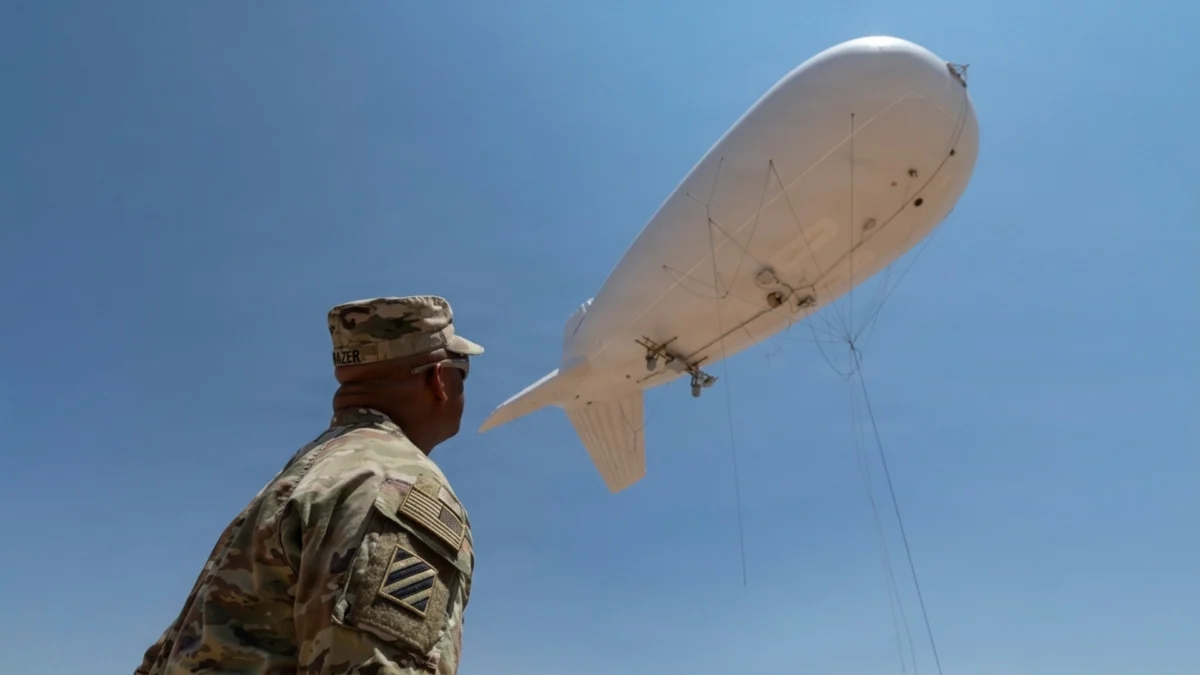
In a striking fusion of 18th-century aviation principles and 21st-century precision engineering, Ukrainian defense developers have unveiled a novel long-range strike system. The "Balun-Mara" platform—a combination of a specialized high-altitude aerostat and a fixed-wing strike drone—represents a significant shift in the philosophy of cost-effective, long-range aerial warfare. By utilizing the passive lift of a balloon to bypass the initial, energy-intensive phases of flight, Ukrainian engineers believe they have created a weapon capable of projecting power over 1,000 kilometers for a fraction of the cost of traditional cruise missiles.
Main Facts: The Anatomy of an Asymmetric Strike System
At the heart of this system lies the Balun aerostat, developed by the Mariupol design bureau. The Balun acts as a high-altitude carrier, transporting the Mara strike drone to altitudes exceeding 10 kilometers. At this elevation, the system is designed to operate above the operational ceiling of many short-range air defense systems, effectively shielding the drone during its transit phase.
The Mara drone itself is a fixed-wing unmanned aerial vehicle (UAV) that remains attached to the underside of the aerostat via a specialized release mechanism. Once the desired coordinates are reached, the Mara is deployed, transitioning into a glider mode before initiating its final powered flight phase. According to the manufacturer, once the drone detaches, it is capable of traveling an additional 60 kilometers under its own power to strike a designated target.
With the aerostat providing the bulk of the transit distance, the total operational reach of the combined system is estimated at approximately 1,060 kilometers. Perhaps most startling is the price tag: the manufacturer estimates the cost of a single system to be around $6,000. In an era where a single Tomahawk cruise missile costs between $1.3 million and $2.5 million, the economic implications of such a system—if proven reliable—are profound.
A Chronology of Development and Deployment
The evolution of the Balun-Mara system reflects the rapid iteration cycle typical of the ongoing conflict in Ukraine.
- Early Development: The Mariupol design bureau, an entity known for supplying various unmanned systems to military formations, began integrating lighter-than-air technology with their existing drone platforms to solve the problem of battery-limited range.
- Operational Trials: Reports indicate that the system has already undergone combat testing. The bureau claims that the platform has been utilized to strike critical infrastructure and military nodes in occupied Crimea and the Berdiansk region. While these claims remain unverified by third-party international observers, they suggest a transition from laboratory concept to field-tested hardware.
- Production Scaling: Following what the bureau describes as successful combat trials, the decision was made to scale production. By mid-October, the bureau signaled its intent to shift to commercial-scale manufacturing. While rumors of serial production have circulated throughout defense circles, official figures regarding the number of units delivered or currently active remain classified.
Supporting Data: The Economics of the Sky
The primary selling point of the Balun-Mara system is its extreme cost-efficiency. In modern warfare, the "cost-exchange ratio" is a vital metric; if a $6,000 drone forces an adversary to expend a $2 million interceptor missile to defend against it, the defender is effectively being bankrupted by the attacker’s logistics.
Technical Breakdown (Estimated)
- System Range: 1,060 km (1,000 km via aerostat, 60 km independent flight).
- Deployment Altitude: 10,000+ meters.
- Estimated Cost per Unit: ~$6,000 USD.
- Primary Payload: Undisclosed; suspected to be a high-explosive warhead integrated into the Mara airframe.
The Mariupol bureau has stated that they have developed their own proprietary data links and flight control software, reducing reliance on expensive, potentially vulnerable third-party components. However, the lack of public data regarding the drone’s cruising speed, warhead payload capacity, or the specific navigation suite leaves critical questions regarding its terminal effectiveness.
Official Responses and Independent Skepticism
The Ukrainian defense sector has remained characteristically opaque regarding the specifics of the Balun-Mara system. The Mariupol bureau’s public statements emphasize the "shielding" effect of high-altitude deployment, arguing that the system’s flight path is intentionally designed to fly above the reach of inexpensive light cannons and small interceptors, forcing the adversary to use high-value, high-cost air defense assets to engage the balloon.
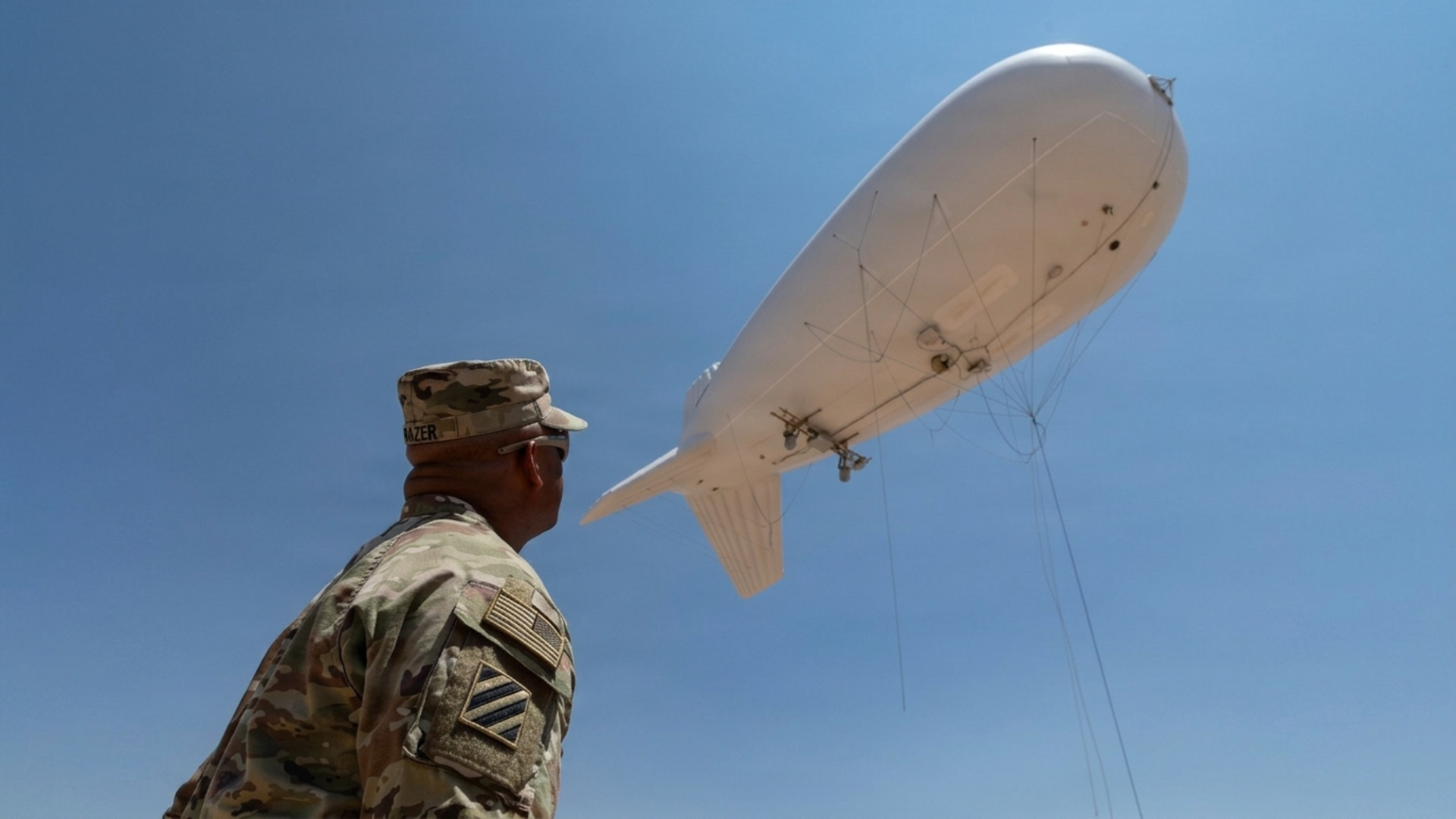
However, independent military analysts and defense experts have raised significant concerns regarding the system’s viability in contested airspace:
- Meteorological Vulnerability: At altitudes of 10,000 meters, atmospheric conditions are notoriously volatile. High-altitude jet streams could easily displace an unpowered or lightly powered aerostat, pushing it far off course. If the balloon is carried away from its intended release point, the Mara drone may find its target beyond its 60km independent flight range.
- Terminal Exposure: The bureau has yet to disclose the Mara’s cruising speed during its final approach. If the drone is slow-moving, it remains a "sitting duck" for standard anti-aircraft systems once it descends from the protective altitude of the aerostat.
- Lack of Verification: Without independent corroboration of the reported strikes in Crimea and Berdiansk, the system remains a "manufacturer claim." In the theater of modern information warfare, prototype systems are often subject to "hype cycles" designed to deter the enemy or boost domestic morale.
Implications for Future Warfare
The Balun-Mara system, if successful, signals a return to "low-tech, high-impact" solutions. It challenges the prevailing trend of increasingly complex and expensive unmanned platforms by focusing on simplicity, cost, and the utilization of the natural environment.
1. The Death of the "Expensive Interceptor" Strategy
If a nation can reliably reach targets at long range with a system costing less than a high-end consumer vehicle, the paradigm of regional air defense shifts. Protecting every square kilometer of territory against such threats becomes economically impossible, potentially forcing adversaries to concede that some infrastructure will always be vulnerable to low-cost strikes.
2. Democratization of Precision Strike
The Balun-Mara platform lowers the barrier to entry for long-range precision strikes. Previously, the ability to strike targets 1,000km away was the exclusive domain of major superpowers with sophisticated cruise missile inventories. This technology suggests a future where smaller, agile manufacturing bureaus can provide similar strategic reach to unconventional forces.
3. The "Aerostat Renaissance"
For decades, aerostats were largely relegated to surveillance and weather monitoring. This Ukrainian project may spark a resurgence in using balloons for offensive military applications. Their ability to remain stationary or move silently at high altitudes makes them difficult to track compared to traditional jet-powered cruise missiles, which emit significant heat and noise signatures.
Conclusion: A Gamble on Innovation
The Balun-Mara system stands at a crossroads between genuine innovation and theoretical failure. On one hand, it represents the kind of "garage-style" ingenuity that has defined Ukraine’s defense posture throughout the ongoing conflict. On the other, the physical realities of high-altitude navigation and the absence of performance data suggest that the platform has yet to prove itself as a reliable weapon of war.
As the Mariupol bureau pushes toward serial production, the international defense community will be watching closely. Whether the Balun-Mara becomes a game-changer in long-range strikes or a cautionary tale of over-ambitious design remains to be seen. What is clear, however, is that the conflict has accelerated a new era of experimentation where the constraints of budget and technology are being challenged by the most creative—and sometimes unconventional—solutions imaginable.