As the social media landscape enters a period of unprecedented transformation, marketers are finding that the old playbooks no longer suffice. From Meta’s aggressive integration of AI agents to Reddit’s total lockdown on data scraping, the ecosystem is shifting toward a future defined by algorithmic personalization and closed-garden data. In this comprehensive industry briefing, we dissect the critical updates, strategic pivots, and emerging trends you need to master to remain competitive through 2027.
The Core Strategic Shift: Moving Beyond Content to Community
The modern marketing challenge is no longer just about reaching an audience; it is about facilitating genuine interaction. While digital marketers often obsess over high-level strategy, the most impactful insights frequently emerge from the ground level—specifically, customer feedback loops.
The Survey-to-Script Pipeline
Expert Nick Theriot emphasizes a practical, high-leverage process for Facebook ad success: treat your customer survey data as your primary creative engine. Instead of guessing what might work, mine your survey responses for the exact pain points, motivations, and idiosyncratic language your customers use.
The "Reddit Hack" for Ad Copy:
When internal survey data is exhausted, turn to Reddit. By utilizing Google search operators—specifically site:reddit.com [pain point]—you can uncover raw, unfiltered testimonials that reveal the "before and after" states of your customers. These threads offer authentic, relatable scenarios that can be adapted directly into high-converting ad scripts, bypassing the sterility of AI-generated marketing copy.

Chronology of Platform Evolutions: A Season of Change
The latter half of 2026 has been marked by a series of rapid-fire announcements from major social platforms, each signaling a deeper reliance on Artificial Intelligence and proprietary data control.
- October 2026: Meta launches "Forum," a standalone app designed to revitalize Facebook Groups through AI-driven discovery and community-focused engagement.
- Late 2026: Instagram rolls out its "Edits" AI assistant to all US creators, providing a personalized dashboard for content analysis and script generation.
- November 2026: Reddit announces the phase-out of RSS feeds as part of a broader, long-term strategy to curtail unauthorized data scraping.
- December 2026: Meta introduces the "Meta Enterprise Platform," formalizing its move into the B2B AI software sector.
- Early 2027: Scheduled total shutdown of Reddit’s public API, marking a definitive end to the era of free, open-platform social listening.
Supporting Data: AI’s Role in Workflow and Growth
Data from recent pilot programs and industry testing—including the "Road to 3000" docuseries conducted by Social Media Examiner—reveals three fundamental truths about modern content production:
- The "Time-as-Currency" Principle: When evaluating AI tools, the cost of the subscription is secondary to the time saved. Relying on "budget" AI video editors that require constant troubleshooting often costs more in labor than a premium, reliable tool.
- Democratization of Technical Skills: AI has bridged the gap for non-technical marketers. Simple coding tasks—such as building personalized invitation funnels—are now accessible to those with zero formal programming experience.
- The Value of Human Testimonials: While AI can streamline the editing process, it cannot manufacture the social proof of a genuine testimonial. The bottleneck is no longer production, but the procurement of authentic video content from satisfied clients.
Official Responses and Platform Implications
Meta’s Pivot: The Rise of the "Agentic" Web
Meta’s introduction of the Meta Enterprise Platform and the Muse AI agent signals a shift in the company’s business model. No longer just a social network, Meta is positioning itself as an enterprise infrastructure provider. By enabling businesses to deploy their own AI agents (Muse) that can handle recurring tasks and customer inquiries, Meta is essentially turning the entire Facebook ecosystem into an automated business operating system.
The LinkedIn Paradox: Human vs. "AI Slop"
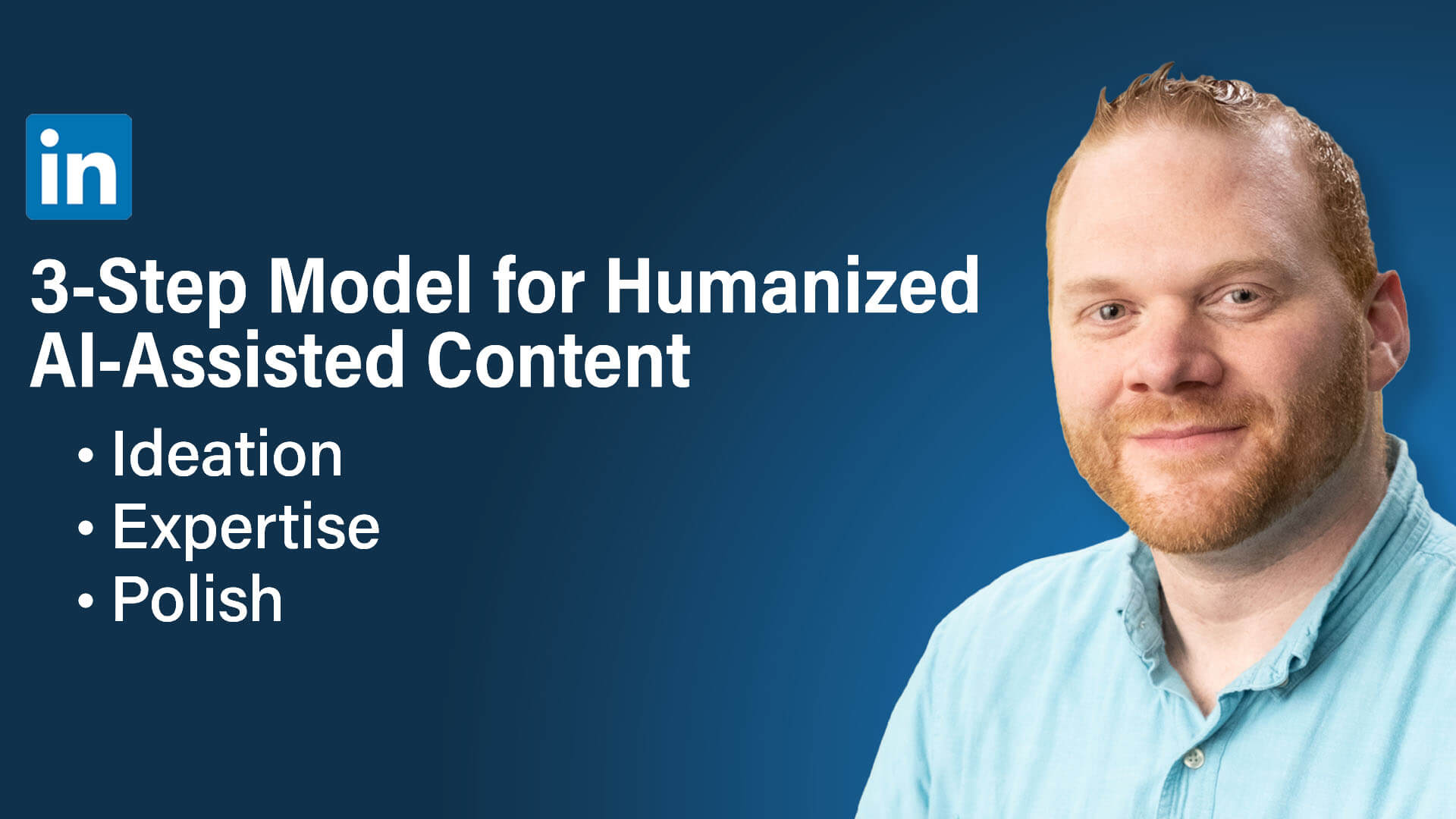
LinkedIn is currently walking a tightrope. As it rolls out its own AI writing tools, it is simultaneously penalizing "AI slop"—content that feels machine-generated and hollow. AJ Wilcox, founder of B2Linked, notes that the key to avoiding the "slop" label is to maintain human oversight on the strategic core of your posts.
- The Comment-First Strategy: LinkedIn’s new algorithm rewards visibility in comments. Marketers are encouraged to shift focus from standalone posts to high-value, conversational comments that spark engagement within the first hour of publication.
- The Creative Fallacy: Many advertisers are borrowing a tactic from Meta—loading up ad sets with dozens of variations. However, LinkedIn’s ecosystem behaves differently; too many creatives can dilute performance and increase costs.
Reddit’s Defensive Stance
Reddit’s decision to sunset its public API and RSS feeds is a clear response to the AI gold rush. By restricting data access, the platform is protecting its status as the "last bastion of human conversation." For marketers, this means the end of free social listening tools and the necessity of purchasing commercial data access if they wish to monitor consumer sentiment on the platform.
Strategic Implications: How to Adapt Your 2027 Roadmap
1. Master the "Human-in-the-Loop" Workflow
AI should be your assistant, not your author. Whether you are using Instagram’s "Edits" tool for insights or Meta’s "Muse" for project management, ensure that the final creative decisions—the hook, the tone, and the strategic goal—remain uniquely yours. AI is excellent at pattern recognition but remains poor at capturing the nuances of brand voice.

2. Prioritize Originality in Shorts
YouTube’s algorithm is officially penalizing re-uploaded content. If your strategy relies on repurposing viral clips, you must now add substantial original commentary or editing to maintain your reach. The "originality" threshold has been raised, and the platform is actively promoting content that provides fresh value to the viewer.
3. Embrace the "Hallway Conversation"
Despite the digital revolution, the most significant business growth occurs in physical spaces. As noted by attendees of Social Media Marketing World, the most profound insights are not found in comment sections, but in the spontaneous, off-the-record exchanges that occur when industry peers meet face-to-face. As we move into an increasingly automated, AI-saturated digital world, the premium on human networking will only continue to rise.

4. Optimize for the "One-Word" Impact
As demonstrated by marketing expert Shannon McKinstrie, minor semantic adjustments can fundamentally change content performance. Moving from a generic "moving" to a specific "relocating to Nashville" creates a mental picture for the audience, shifting the narrative from a factual update to an experiential story. This level of intentionality will be the defining trait of successful creators in the coming year.
Conclusion: The Path Forward
The tools at our disposal—AI agents, automated boosting, and sophisticated analytics—are more powerful than ever. Yet, the principles of successful marketing remain grounded in psychology.

As you plan your strategy for the coming months, remember that platforms will continue to evolve, algorithms will shift, and data access will be restricted. Your competitive advantage will not come from having the latest tool, but from your ability to synthesize the raw, human insights found in customer surveys and authentic community interactions into a brand narrative that feels both personal and intentional.
Prepare for the year ahead by focusing on these three pillars:
- Invest in first-party data: Relying on platform-owned metrics is risky; build your own insights through surveys and direct customer engagement.
- Prioritize high-quality human creative: If the AI can write it, a human can write it better. Use technology to accelerate your process, not to replace your voice.
- Diversify your network: When the digital landscape becomes too noisy or restricted, the value of your direct peer-to-peer relationships becomes your most secure asset.