
The landscape of modern commerce is undergoing a tectonic shift. For decades, the marketing playbook has been anchored to a predictable, measurable sequence: a prospect searches on Google, clicks an advertisement or organic link, lands on a website, and eventually fills out a form. This "click-to-conversion" model has formed the bedrock of CRM data, ROI calculations, and budget allocation.
However, the rise of generative AI and AI-powered "answer engines" has fundamentally disrupted this journey. Today’s buyers are increasingly bypassing traditional search engines, opting instead to ask AI agents for recommendations, vendor comparisons, and deep-dive research. These interactions—which happen entirely within the black box of an AI model—now shape the shortlist long before a brand even knows a prospect exists. For marketing operations teams, this creates a profound "accountability gap," where the most critical phase of the buyer journey is effectively invisible.
The Evolution of Buyer Behavior: From Search to AI Discovery
The chronology of this shift is rapid. In the early 2000s, the web was a collection of static pages, and the primary mechanism for discovery was directory-based. The mid-2000s ushered in the era of SEO and PPC, where "ranking" became the sole objective. By 2023, the emergence of LLM-based interfaces changed the paradigm once more.
Buyers are no longer just looking for links; they are looking for synthesis. They ask questions like, "Which CRM is best for a mid-sized B2B company with complex global workflows?" The AI analyzes thousands of data points, citing sources and recommending solutions in a conversational format.
This creates a critical challenge: if the "discovery" phase occurs inside an AI interface, the traditional tracking pixels and UTM parameters that marketing operations teams rely on are rendered obsolete. The prospect who eventually lands on your website via a direct visit may have been "nurtured" by an AI for weeks. Without the ability to track that initial influence, businesses are flying blind, underestimating the impact of their top-of-funnel content and misallocating budgets toward channels that may simply be the "last mile" of a much longer, AI-influenced journey.

Bridging the Accountability Gap: The Infrastructure Challenge
To remain relevant, marketing operations must transition from a "click-centric" model to a "visibility-centric" model. This requires building a new infrastructure that bridges the gap between AI-driven brand sentiment and CRM-driven revenue data.
Connecting Visibility to the CRM
The first step is the integration of Answer Engine Optimization (AEO) data directly into the CRM. Marketing attribution is only as strong as the data it consumes. When a brand’s presence in an AI response—whether through a direct citation, a brand mention, or a recommended resource—is not logged, the attribution model defaults to crediting the final touchpoint.
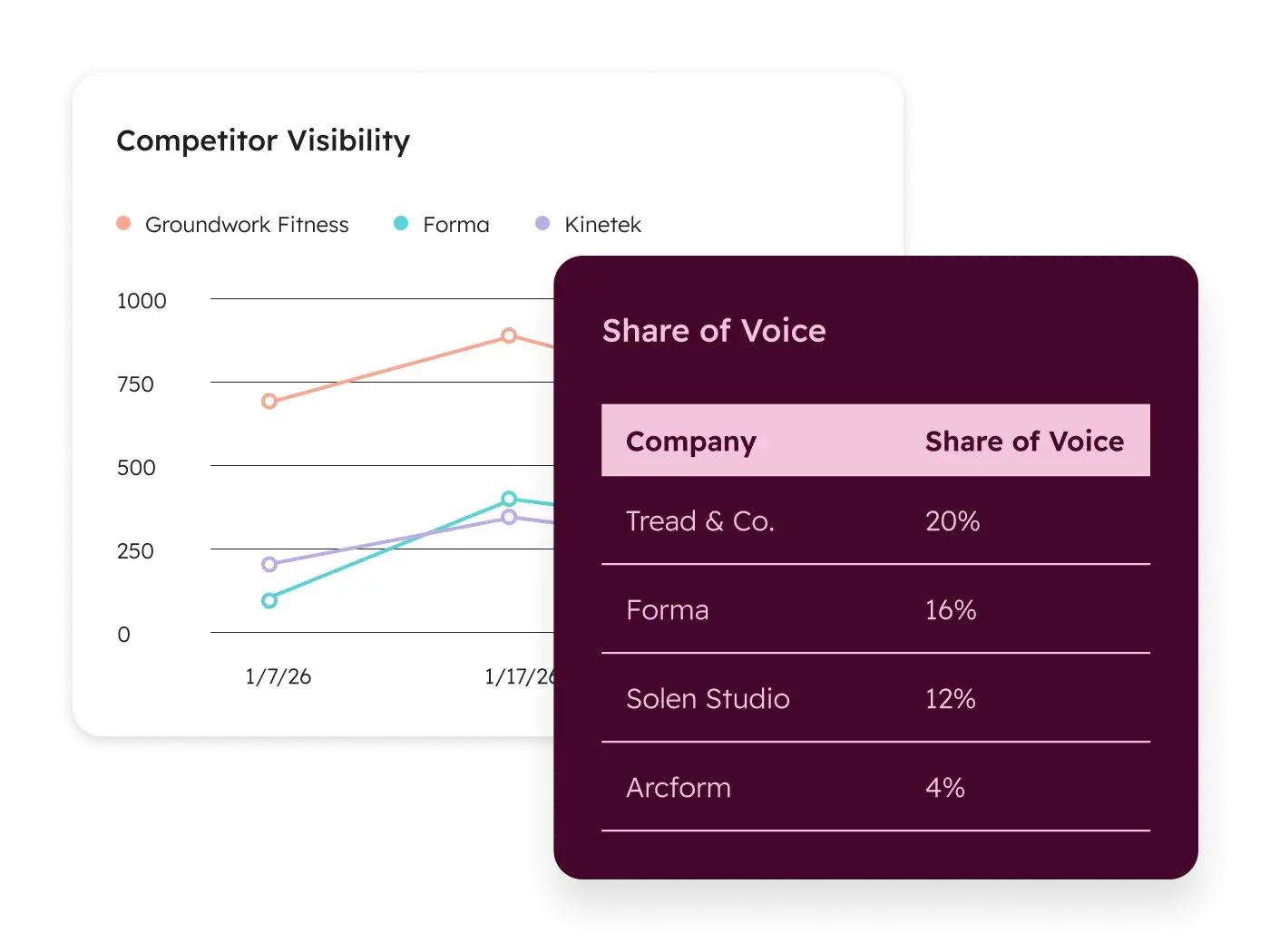
By integrating AEO signals, such as brand visibility scores and share-of-voice trends, into the CRM, organizations can begin to map "AI-sourced" traffic to specific contact and deal records. HubSpot’s AEO tool, for instance, allows teams to connect these visibility metrics to individual accounts, enabling a clearer view of which AI channels are actually driving qualified pipeline. According to internal HubSpot data, teams that actively integrate AEO into their workflow see an increase of 78% in contact creation, suggesting that those who control the AI conversation capture a significantly larger share of the market.
Reimagining Attribution Models for an AI World
The traditional reliance on "first-touch" or "last-touch" attribution models is no longer sufficient. In a world where a buyer interacts with an AI-generated answer, the "first touch" may not be a website visit at all, but a conversational insight delivered by an LLM.
The Failure of Click-Based Attribution
Most multi-touch attribution models are built on the assumption that a digital interaction leaves a digital footprint that can be traced back to a specific ad or page. AI-assisted discovery, however, often happens in a browser or application window where traditional cookies are not present or active.

When a prospect encounters a brand via an AI recommendation, they might perform a direct search or navigate to the company’s site hours or days later. A click-based model will attribute this to "Direct Traffic." If a marketing team sees that "Direct Traffic" is high but cannot correlate it to AI-driven brand awareness, they may mistakenly deprioritize the content strategy that led to the AI citation in the first place.
The Role of Contextual Reporting
To solve this, operations teams must move toward a model that incorporates "Influencer Attribution." This involves overlaying AEO trend lines—such as a rise in citations for a specific solution page—with spikes in CRM pipeline data. By identifying the correlation between periods of high AI visibility and subsequent increases in MQLs (Marketing Qualified Leads), teams can infer the influence of AI, even without a direct click-through.
The Necessity of Automation: Moving Beyond Ad-Hoc Analysis
One of the greatest risks to the success of an AEO strategy is the manual burden of reporting. Answer engines do not function like static search engines; they are dynamic, evolving environments where the "top answer" can change from one day to the next based on new publications, competitor content updates, and shifting AI sentiment.
Why Manual Reporting Fails
If a marketing operations team treats AEO like a quarterly SEO audit, they are destined to fail. Because AI models update their logic continuously, a brand’s share of voice can fluctuate week-over-week. Manually pulling these metrics, formatting them in spreadsheets, and attempting to align them with CRM data is not only labor-intensive but inherently reactive. By the time the report is finalized, the data is likely stale.
The Power of Real-Time Monitoring
True AEO maturity requires automated, real-time dashboards. By using tools that automatically refresh brand visibility scores and citation counts, operations leaders can identify "visibility drops" as they happen. If a competitor suddenly gains a larger share of voice in an AI answer, the team can immediately adjust their content strategy to address the gap. This moves AEO from an experimental project to a core operational function.

Implications for the Future of Marketing
The implications of this shift are profound. We are moving toward a future where "brand authority" is defined by how well a company trains, influences, and provides value to AI models.
- Budgetary Shifts: As companies realize that AI-driven discovery is a primary driver of demand, we can expect to see a reallocation of budget from traditional "middle-of-funnel" display ads to "top-of-funnel" AEO and content optimization.
- Content Strategy: Content is no longer just for human readers; it is for AI ingestion. High-quality, authoritative, and structured content that is easily referenced by LLMs will become the gold standard of digital marketing.
- Data Silos: The biggest winners will be those who break down the silos between their marketing operations, SEO, and sales data. A unified data stack that includes AI-visibility metrics alongside traditional pipeline data will be the hallmark of the successful enterprise.
Conclusion
The era of relying solely on the "click" is coming to a close. As buyers increasingly lean on AI to curate their options, the companies that succeed will be those that treat "AI visibility" as a key performance indicator.
The infrastructure to measure this is already here. By integrating AEO data into the CRM, evolving attribution logic to recognize non-click-based influences, and automating the reporting process, marketing operations teams can finally close the accountability gap. The challenge for the modern marketer is no longer just driving traffic to a website—it is ensuring that when a potential buyer asks an AI for the best solution, your brand is the one that gets the recommendation.
The transition to AEO is not merely a technical upgrade; it is a fundamental shift in how businesses relate to their customers in the digital age. Those who adapt now will define the next generation of market leadership.