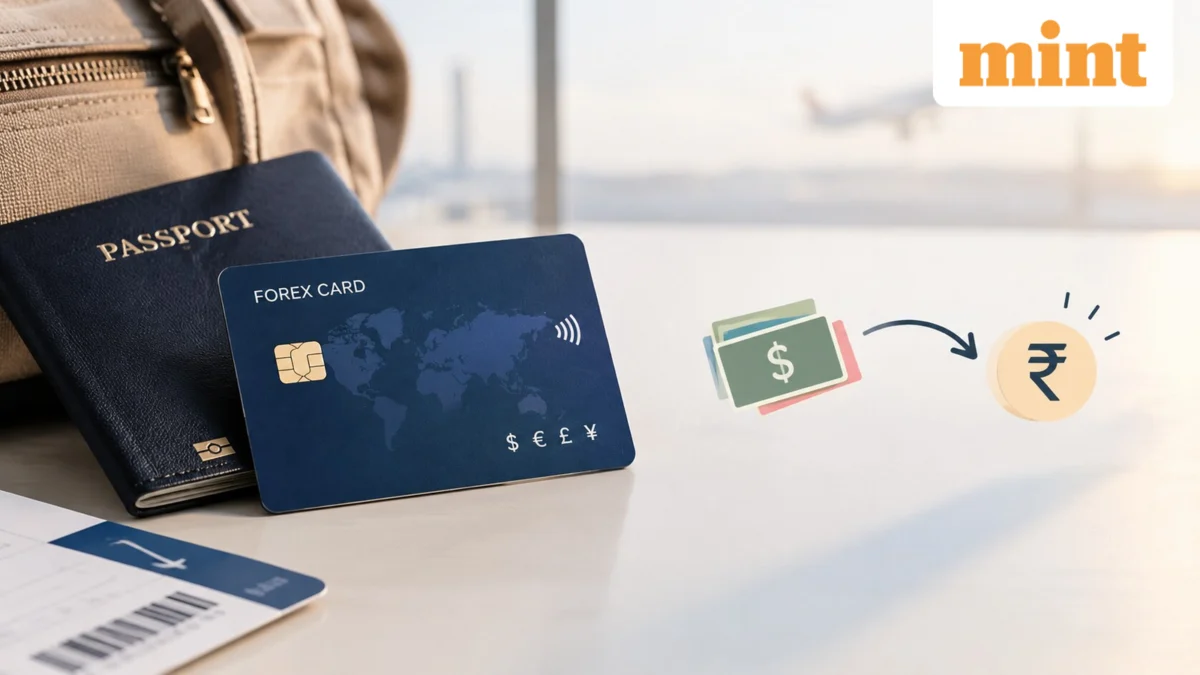
For the modern Indian traveller, the forex card has become an indispensable companion. Whether it is for a business trip to Dubai, a vacation in the Swiss Alps, or a student’s semester in London, these prepaid instruments offer a secure and cost-effective way to manage international spending. They insulate travellers from the volatility of currency fluctuations and provide a safer alternative to carrying large amounts of physical cash.
However, a common predicament arises once the suitcase is unpacked and the traveller is back on Indian soil: the lingering balance on the forex card. While some travellers might leave these funds for a future journey, many prefer to reclaim the capital to bolster their domestic savings or cover immediate post-trip expenses. Converting these unused foreign currency units back into Indian Rupees (INR) is a streamlined process, yet it is one that requires an understanding of exchange rates, service fees, and regulatory compliance.
The Mechanics of Currency Encashment: How It Works
When you decide to reclaim your unused balance, you are essentially initiating a "buy-back" transaction. The forex card issuer buys the foreign currency back from you at the prevailing "card rate" for the day, which differs from the mid-market or interbank rate.
The Conversion Formula
The amount you ultimately receive in your domestic bank account is the product of three variables:
- The Residual Balance: The exact amount of foreign currency left on the card.
- The Buy-Back Rate: The exchange rate provided by the bank or financial institution for encashment.
- Transaction Fees and Taxes: Most issuers levy an encashment fee, and the transaction may be subject to Goods and Services Tax (GST) and potentially Tax Collected at Source (TCS) depending on the nature of the transaction and the amount.
For instance, if you hold $1,000 on your card and the bank’s buy-back rate is ₹83.50, the gross value is ₹83,500. After deducting a nominal processing fee (often ranging between ₹200 and ₹500 plus GST), the net credit to your account is calculated. It is vital to note that banks often offer a "buy" rate that is lower than the "sell" rate they offered when you originally loaded the card. This spread is how institutions cover the risk of currency fluctuation during the holding period.
A Step-by-Step Guide to Reclaiming Your Funds
Most major Indian banks, including HDFC, ICICI, Axis, and IndusInd, have digitized this process to eliminate the need for physical paperwork. If you find yourself with surplus funds, follow this systematic approach:
1. Digital Retrieval via Mobile Apps
Most modern forex card issuers provide an "Encashment" or "Refund" tab within their dedicated banking or forex mobile applications.
- Log-in: Access your secure mobile portal using biometric authentication or your M-PIN.
- Select the Card: Navigate to the ‘Manage Forex Card’ section.
- Initiate Refund: Choose the ‘Encashment’ option.
- Currency Selection: If your card is a multi-currency variant, specify which currency wallet you wish to encash.
- Destination Account: Select your linked Indian savings account for the credit.
- Confirmation: Review the real-time exchange rate and the final "net amount" displayed on your screen. Once you confirm, the transaction is executed.
2. The Traditional Branch Route
For those who prefer face-to-face interaction or hold older, non-digital cards, a visit to the bank branch is required. You will typically need to carry:
- The Original Forex Card.
- A valid photo ID (Aadhaar or Passport).
- A filled-out Encashment Form: This document captures your bank account details and confirms the purpose of the refund.
Regulatory Landscape and Documentation
The Reserve Bank of India (RBI) governs the movement of foreign exchange under the Liberalised Liberalised Remittance Scheme (LRS). While the encashment of a balance from your own card is generally straightforward, the documentation requirements exist to ensure compliance with anti-money laundering (AML) norms.
Commonly requested documents include:

- Passport Copy: Including the visa and entry/exit stamps. This acts as proof that you were indeed abroad and that the funds are a residual balance of legitimate travel expenses.
- Self-Declaration Form: A standard form where you declare that the funds are not derived from any illegal activities and represent the balance of a previously loaded travel allowance.
- Original Load Proof: In some instances, for larger amounts, the bank may ask for the original transaction receipt or invoice from when the card was initially loaded.
Strategic Considerations: To Encash or To Hold?
Before rushing to empty your card, it is prudent to evaluate whether encashment is the most financially sound decision.
The Case for Holding
If you are a frequent traveller, keeping a balance on your forex card might actually save you money. Every time you load a card, you incur conversion charges and potential service fees. If you plan to travel again within the next six months, the cost of "buying" the currency back, only to have to "sell" INR to buy it again later, may result in a net loss due to the cumulative impact of currency spreads and transaction fees.
The Case for Encashment
- Inactivity Fees: Many cards charge an "inactivity fee" if the card remains idle for a specific period (usually 6–12 months).
- Currency Volatility: If the Indian Rupee is strengthening, you might be better off converting now to lock in the current value of your foreign currency before the INR gains further ground.
- Liquidity Needs: If the capital is required for urgent domestic commitments, the minor loss on the exchange spread is a necessary cost of liquidity.
Choosing the Right Forex Card: The New Standards
The criteria for selecting a forex card have shifted in the last two years. As the market becomes more competitive, features that were once "premium" are now standard.
1. Zero Forex Markup
This is the single most important factor. Cards with zero markup ensure that the amount you see on the merchant’s terminal is exactly what is deducted from your balance, without the hidden 2–4% "conversion tax" that was once common.
2. Multi-Currency Wallets
Modern cards allow you to hold up to 15 different currencies on a single chip. This is essential for multi-country trips, as it prevents the "double-conversion" fee (e.g., converting USD to Euro at a merchant terminal).
3. Ease of Liquidation
When comparing cards, look specifically for "encashment ease." Does the app allow for instant conversion to INR? Or does it require a 48-hour manual approval? Reading the terms and conditions regarding the "buy-back spread" can save you thousands of rupees over the life of the card.
Implications of Policy Changes
The financial sector in India has seen significant updates regarding the taxation of foreign remittances. Travellers should stay informed about the latest Tax Collected at Source (TCS) rules. While encashing your own money from a card is a return of funds, the initial loading of the card may attract TCS, which can later be claimed as a credit against your annual income tax liability. Always keep your transaction receipts organized in a digital folder to make filing your Income Tax Returns (ITR) seamless.
Conclusion
Returning from an international trip with a balance on your forex card is not an oversight—it is an opportunity to reclaim capital that can be put to work in your domestic portfolio. Whether you choose to encash the funds to maintain liquidity or keep them for future global adventures, the key is to be proactive. By utilizing mobile banking tools, understanding the exchange rate spreads, and keeping your documentation in order, you can ensure that your hard-earned money remains under your control, no matter where in the world you happen to be.
As the digital financial ecosystem continues to evolve, the process of managing international currency will only become more intuitive. For now, transparency in fees and strict adherence to documentation remain the cornerstones of a hassle-free encashment experience.