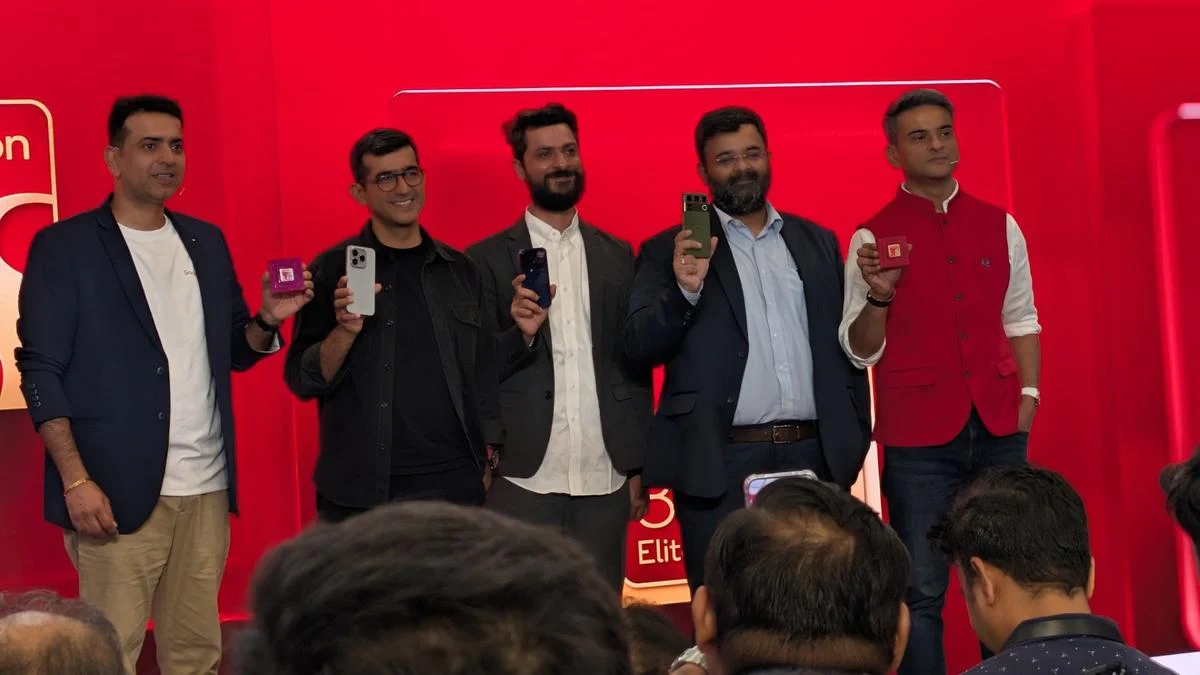
At the heart of these announcements is Qualcomm’s latest silicon breakthrough: the Snapdragon 8 Elite Gen 6 and its high-performance sibling, the Snapdragon 8 Elite Extreme Gen 6. These chipsets represent a paradigm shift in mobile processing, moving away from incremental speed bumps toward "Agentic AI"—a concept where the smartphone acts as an autonomous digital agent.
The iQOO 16 and the Motorola Signature 27 are slated to be the first to market featuring the "Extreme" variant of the chipset, while the Xiaomi 18 Pro aims to redefine the premium segment with the standard Snapdragon 8 Elite Gen 6. These devices, expected to hit Indian shelves by the end of Q4 2026, represent the pinnacle of current mobile engineering.
Main Facts: A Trio of Flagships Redefining the Premium Segment
The 2026 flagship landscape is being defined by a divergence in processing tiers. Qualcomm has restructured its lineup to cater to "Elite" and "Elite Extreme" performance profiles, allowing manufacturers to target specific user niches—from professional photographers to hardcore mobile e-sports athletes.
iQOO 16: The Performance Purist
iQOO continues its "Quest" for raw performance by adopting the Snapdragon 8 Elite Extreme Gen 6. Historically a brand favored by the gaming community, iQOO’s integration of the "Extreme" chipset suggests a focus on sustained peak performance and advanced thermal management. While full specifications remain under wraps, the device is expected to feature proprietary cooling technologies designed to handle the increased thermal envelope of the Gen 6 Extreme SoC.
Motorola Signature 27: The Luxury Powerhouse
The Motorola Signature 27 marks a significant pivot for the brand toward the ultra-premium luxury segment. By pairing the Snapdragon 8 Elite Extreme Gen 6 with high-fidelity audio from Bang & Olufsen and a sophisticated design palette featuring Pantone-certified shades (Coal Smoke and Capulet Olive), Motorola is positioning the Signature 27 as a lifestyle "intelligent companion" rather than a mere utility.
Key hardware highlights for the Signature 27 include:
- Primary Camera: 50 MP Sony Lytia 910 sensor.
- Telephoto: 200 MP periscope lens for unprecedented zoom clarity.
- Audio: Custom-tuned acoustics by Bang & Olufsen.
- Software Longevity: A market-leading 7-year commitment to both OS upgrades and security patches, starting with Android 17.
Xiaomi 18 Pro: The Innovative Visionary
Xiaomi’s 18 Pro, powered by the Snapdragon 8 Elite Gen 6, continues the brand’s tradition of experimental hardware design. The standout feature of this iteration is the return and refinement of the distinctive back display, a secondary screen located on the camera island designed to provide notifications, camera previews, and AI-driven contextual information without requiring the user to wake the primary display.
Chronology: The Road to IMC 2026
The announcements at IMC 2026 are the culmination of a three-year transition in the semiconductor industry, moving from traditional CPU-centric designs to NPU-centric (Neural Processing Unit) architectures.
- Late 2025: Qualcomm teased the "Elite" branding, signaling an end to the "Gen 1, 2, 3" numbering system in favor of a more lifestyle-oriented nomenclature.
- January – June 2026: Rumors circulated regarding a "Super-Core" architecture that would eventually become the "Extreme" variant.
- October 9, 2026 (10:00 AM): Prime Minister Narendra Modi and Telecom Minister Jyotiraditya Scindia inaugurated the 10th IMC, emphasizing India’s role as a design hub for 6G and advanced AI hardware.
- October 9, 2026 (01:00 PM – 02:30 PM): In rapid succession, representatives from iQOO, Motorola, and Xiaomi took the stage at the Pragati Maidan complex to announce their respective flagship integrations.
- Late 2026 (Projected): Commercial availability of these handsets is expected in India, coinciding with the peak festive shopping season and the wider rollout of advanced 5.5G (5G-Advanced) networks.
Supporting Data: The Leap to Agentic AI and 200MP Optics
The technical specifications of the Snapdragon 8 Elite Gen 6 series suggest a significant leap over the 2025 iterations. According to internal data shared by the manufacturers, the "Agentic AI" capabilities of these chips allow for on-device processing of complex tasks that previously required cloud intervention.
The Silicon Difference
The "Extreme" Gen 6 variant features an overclocked "Prime Core" and an expanded NPU cluster. This allows the iQOO 16 and Motorola Signature 27 to run Large Language Models (LLMs) locally with lower latency. Early benchmarks suggest a 40% improvement in AI inferencing speeds compared to the previous generation.
Imaging Breakthroughs: The Sony Lytia 910 and 200MP Periscope
The Motorola Signature 27’s use of the Sony Lytia 910 is a strategic move. The Lytia series utilizes a stacked CMOS design that allows for better light absorption in a smaller footprint. When paired with the 200 MP periscope lens, the device is capable of "hybrid AI zoom," where the high-resolution sensor data is reconstructed by the Snapdragon’s ISP (Image Signal Processor) to provide lossless-quality images at up to 20x magnification.
The 7-Year Software Standard
Motorola’s commitment to 7 years of updates (up to Android 24, theoretically) matches the industry-leading standards set by Google and Samsung. This data point is crucial for the Indian market, where the average smartphone replacement cycle has extended to nearly 36–42 months in the premium segment.

Official Responses: Insights from the C-Suite
The leadership of the three major brands expressed a unified vision of the smartphone as an "intelligent companion," though their specific strategies differ.
Nipun Marya, CEO of iQOO India, emphasized the brand’s commitment to the cutting edge:
“With iQOO 16, we are among the first brands to bring the Snapdragon 8 Elite Extreme Gen 6 Mobile Platform to users. As smartphones become an increasingly important part of how we work, create and connect, we will continue to focus on innovation that delivers real value and keeps the Quest moving forward.”
Shivam Ranjan, Head of Marketing, APAC, Motorola, highlighted the holistic experience of their new "Signature" series:
“The Motorola Signature 27 showcases how breakthrough AI experiences, professional-grade imaging, iconic design, and immersive entertainment can come together to create a truly differentiated flagship experience. Together with Qualcomm Technologies, Motorola remains committed to shaping a future where smartphones evolve from connected devices into truly intelligent companions.”
Gautam Batra, Associate Director of Product Marketing at Xiaomi India, spoke on the marriage of performance and utility:
“With the Xiaomi 18 Pro… we are taking that experience further, combining exceptional performance with innovations such as its distinctive back display. Together, these advancements push the boundaries of what a flagship can deliver, setting new performance benchmarks while reimagining how consumers experience and interact with their smartphone.”
Implications: The Dawn of the "Agentic" Era
The announcements at IMC 2026 have far-reaching implications for consumers, the Indian economy, and the global tech landscape.
1. The Shift from Smartphone to "Digital Agent"
The introduction of the Snapdragon 8 Elite Gen 6 marks the death of the "app-first" era. With "Agentic AI," these phones are expected to manage schedules, summarize complex documents, and automate cross-app workflows autonomously. The hardware is no longer just a vessel for software; it is an active participant in the user’s digital life.
2. Premiumization of the Indian Market
The launch of these high-end devices at IMC New Delhi underscores India’s transformation from a budget-centric market to a premium-first hub. As manufacturers choose India for global-first announcements, it reflects the growing purchasing power of the Indian consumer and the success of "Make in India" initiatives for high-end electronics.
3. Sustainability and Longevity
Motorola’s 7-year update promise, likely to be mirrored by iQOO and Xiaomi in their flagship tiers, addresses growing environmental concerns. By extending the functional life of a device, manufacturers are forced to improve hardware durability—evidenced by the use of advanced materials and better thermal management in the Gen 6 chips to prevent battery degradation over time.
4. Competitive Pressure on the "Big Two"
By being the first to adopt the "Extreme" Gen 6 silicon, iQOO and Motorola are putting direct pressure on Apple and Samsung. The focus on specialized hardware—like the 200MP periscope and the back display—suggests that the "innovation gap" between traditional market leaders and the broader flagship field has closed entirely.
As IMC 2026 continues, the industry watches closely. The hardware revealed today is more than just a collection of specs; it is the blueprint for the next decade of mobile interaction. With the launch of the iQOO 16, Motorola Signature 27, and Xiaomi 18 Pro, the race to define the "AI Phone" has officially entered its most aggressive phase yet.