
By Journalistic Staff
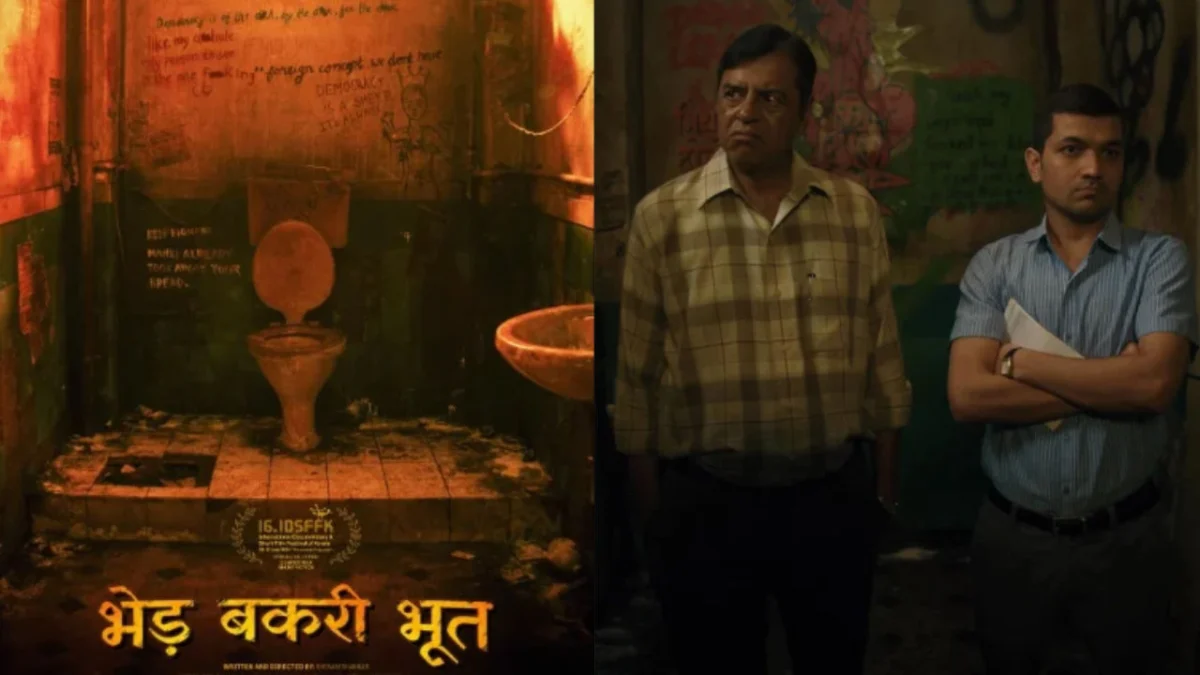
The landscape of Indian independent cinema has long been defined by its ability to extract profound social truths from the most mundane, and often neglected, corners of society. On September 24, 2024, this tradition reached a new digital milestone with the release of the short film ‘Bhed Bakri Bhoot’ (translated as Sheep, Goat, Ghost). Presented by the vanguard of Indian neo-realism, Anurag Kashyap, through his dedicated YouTube channel ‘Ah Short Clips,’ the film marks a significant moment in the democratization of high-concept short-form storytelling.
Written and directed by Shivam Shankar, Bhed Bakri Bhoot (BBB) arrives on the public digital stage after a decorated journey through the international film festival circuit. The film, which uses a public restroom as a metaphorical stage for human psychology, has been hailed by critics as a biting satire on anonymity, collective rage, and the "herd mentality" that defines modern social interactions.
I. Main Facts: The Digital Premiere and Creative Pedigree
The release of Bhed Bakri Bhoot is not merely another addition to the vast library of YouTube content; it is a curated cinematic event. The film is presented by a trifecta of Indian cinema’s most influential "gritty" filmmakers: Anurag Kashyap, Abhishek Chaubey (Udta Punjab, Sonchiriya), and Navdeep Singh (NH10). Their involvement signals a stamp of quality, suggesting that the film aligns with their collective penchant for stories that are raw, unfiltered, and deeply rooted in the Indian subtext.
Production and Cast
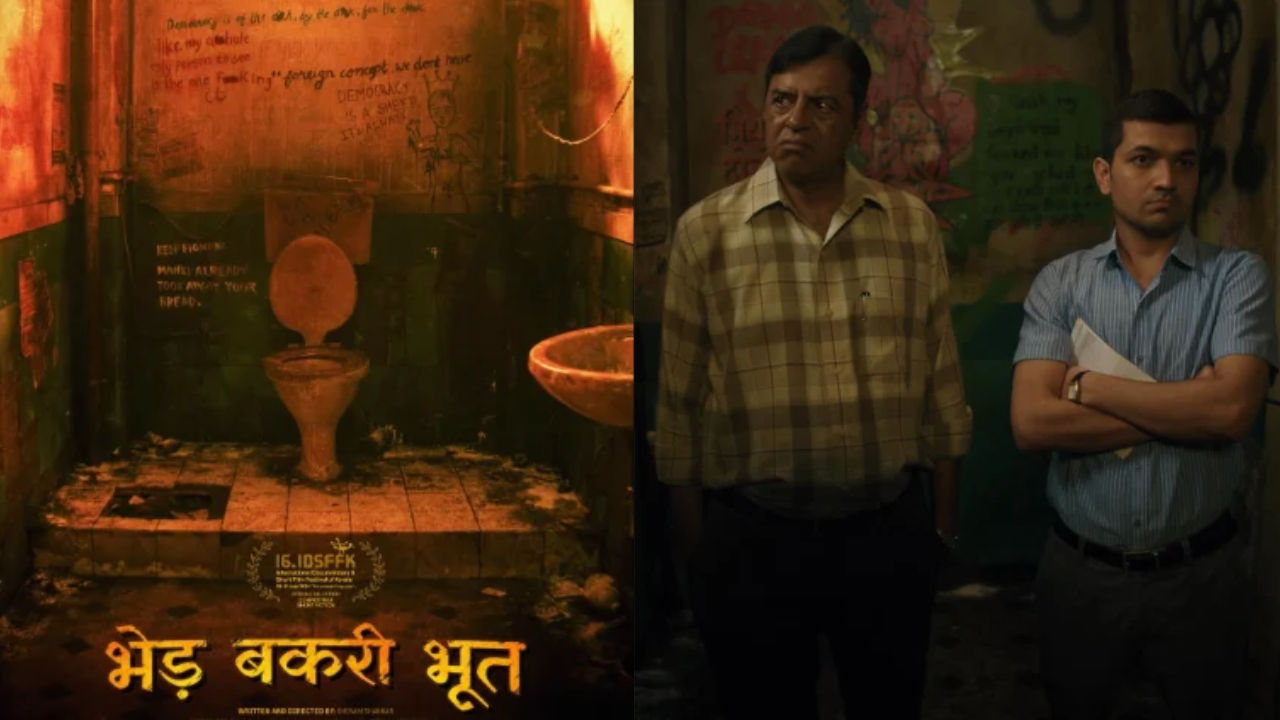
Produced by Shivam Shankar and Ranjan Singh, the film features a robust ensemble cast capable of handling the script’s transition from dark comedy to social tragedy. The primary cast includes:
- Vandana Joshi
- Prasanna Bisht
- Apeksha Iyer
- Naseem Mughal
- Rishi Solanki
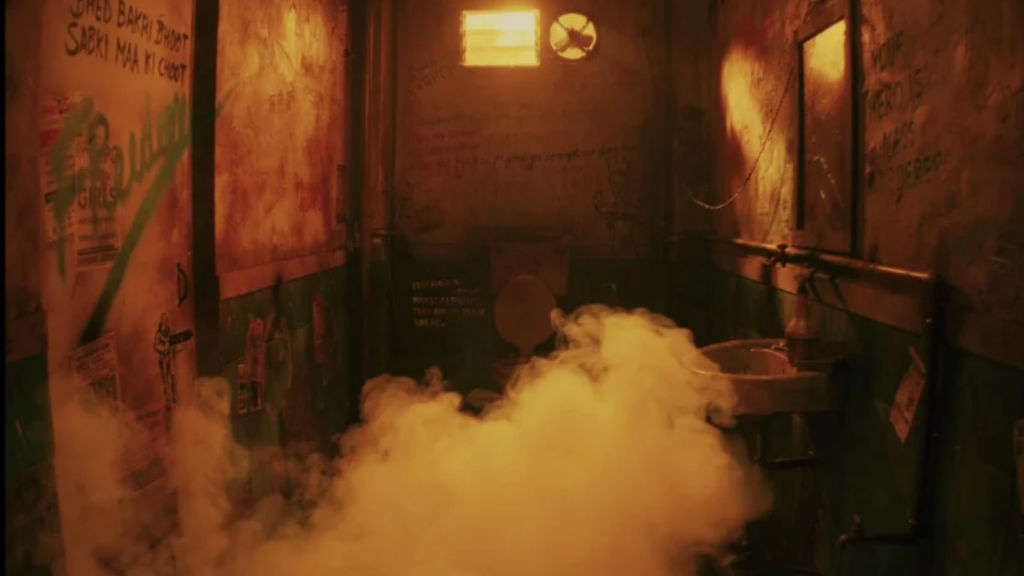
The film’s narrative engine is fueled by a seemingly trivial act: a heartbroken lover writing an insulting letter on the wall of a public toilet. This act of "venting" (referred to in local parlance as bhaas) sets off a chain reaction that escalates into a national phenomenon, eventually necessitating government intervention.
II. Chronology: From International Acclaim to YouTube Release
The journey of Bhed Bakri Bhoot from its conception to its 2024 digital premiere is a testament to the growing global appetite for Indian short-form narratives. Before reaching the masses via Anurag Kashyap’s channel, the film underwent a rigorous "trial by fire" in global competitions.
The Festival Circuit (2023-2024)
- European Recognition: The film first gained traction at the Major Short Film Festival in Switzerland. Its reception there highlighted that despite its hyper-local setting (the Indian public toilet), the themes of frustration and anonymous expression were universally understood.
- Asian Triumph: In Tokyo, the film was lauded for its technical precision, specifically winning the ‘Best Editing’ award at the Tokyo International Short Film Festival. This was a crucial win, as the film’s narrative relies on a rhythmic escalation of chaos.
- North American Success: The film crossed the Atlantic to feature at the IFFSA Toronto (International Film Festival of South Asia), where it won ‘Best Short Film.’ It continued its streak at the Yellowstone International Film Festival, securing the title of ‘Best Indian Short Film.’
- Domestic Validation: The film also received the ‘Best of India Short Film Festival’ award, further cementing its status as a critical darling before its public release.
The Strategy of Digital Accessibility
Rather than opting for a paywalled OTT (Over-The-Top) release, the creators chose to partner with Anurag Kashyap’s ‘Ah Short Clips.’ This move, executed on September 24, reflects a strategic shift in the industry. By releasing an award-winning film for free on YouTube, the filmmakers aim to bypass the gatekeeping of traditional distributors, ensuring that the "public" message of the film reaches the actual public it satirizes.
III. Supporting Data: The Symbolism of the Gutter
To understand the impact of Bhed Bakri Bhoot, one must look at the data of its setting. The public toilet in India is more than a utility; it is a historical site of anonymous graffiti—a precursor to the modern Twitter (X) thread.
The "Wall" as a Social Media Precursor
Sociological studies of urban India have often pointed to public restrooms as "safe spaces" for the disenfranchised to voice political dissent, romantic frustration, or social taboo. Director Shivam Shankar taps into this data point by transforming the toilet wall into a living document.

- The Catalyst: The "Dil Toota Aashiq" (Broken-hearted Lover). In the film, his initial insult is the "first post."
- The Viral Effect: Just as an algorithm pushes controversial content, the restroom wall attracts "comments" from strangers.
- The Escalation: The film portrays how personal grievances (the Sheep) follow the leader (the Goat), eventually becoming an uncontrollable, haunting force (the Ghost) that looms over the administration.
IV. Official Responses: The Director’s Vision
In statements surrounding the digital launch, Director Shivam Shankar has been vocal about the film’s intent to mirror society without a "filter." His perspective offers a deep dive into the creative philosophy behind the project.
Shivam Shankar on "Unfiltered" Reality
Shankar emphasized that Bhed Bakri Bhoot was designed to be shown in India without the sanitization often demanded by mainstream studios. "The film looks at the everyday politics of society through a bold and open lens," Shankar noted. He credited his crew across various departments for contributing more than he had envisioned, allowing the film to capture the "stench and the spirit" of its setting.
The Presenter’s Perspective
While Anurag Kashyap has been a long-time advocate for independent voices, his decision to host this specific film on his channel underscores his belief in "cinema of the soil." By lending his name to the project, Kashyap provides a protective umbrella for a narrative that deals with "Abmanjanak" (insulting) and "Aakrosh" (outrageous) themes, which might otherwise be suppressed.
V. Implications: The "Sheep, Goat, Ghost" Metaphor in Modern India
The title Bhed Bakri Bhoot serves as a tripartite metaphor for the stages of social decay and collective behavior. The implications of this film extend far beyond its 20-30 minute runtime, touching upon the very fabric of how information and emotion circulate in the 21st century.
1. The ‘Bhed’ (Sheep): The Herd Mentality
The film suggests that human beings are fundamentally imitative. When one person vents their rage in a public space, others feel emboldened to do the same. This "Sheep" behavior is a direct commentary on the "pile-on" culture seen on social media platforms today. The restroom wall becomes a physical manifestation of a toxic comment section.
2. The ‘Bakri’ (Goat): The Scapegoat and the Sacrifice
In Indian idioms, the Bakri is often the one who is sacrificed. The film explores how individual identities are lost in the collective rage. When the government finally intervenes, the search for a "culprit" leads to a satirical look at how the state handles dissent—by looking for a scapegoat rather than addressing the underlying frustration.
3. The ‘Bhoot’ (Ghost): The Unseen Consequence
The "Ghost" represents the lingering impact of our words. Long after the "Dil Toota Aashiq" has left the stall, his words remain, haunting the space and influencing others. It is a chilling reminder that in the digital age, nothing is ever truly deleted; the "ghosts" of our past outbursts continue to shape the social political climate.
Cinematic and Political Consequences
The film’s conclusion—where the government must step in to manage a toilet wall—is a masterful stroke of political irony. It suggests that when a society loses its ability to communicate healthily, even the most private spaces become battlegrounds for state control.
Conclusion: A New Benchmark for Short Films
Bhed Bakri Bhoot stands as a landmark in the "Short Film" genre in India. By combining the high-production values of international cinema with a gritty, uncompromising Indian soul, Shivam Shankar has created a mirror that is as uncomfortable as it is necessary.
As the film continues to garner views on YouTube, its success will likely encourage other independent filmmakers to seek out "Ah Short Clips" and similar platforms. The era of waiting for a theatrical release for short-form content is over. The "Bhoot" is out of the bottle, and through the backing of titans like Anurag Kashyap, it is ensuring that the voices from the "gutter" are finally being heard in the hallowed halls of global cinema.