In an era dominated by restrictive fad diets, complex macro-tracking apps, and the constant pressure to eliminate entire food groups, the "Weight Loss Plate Method" stands out for its elegant simplicity. Rather than focusing on what you must remove from your life, this approach focuses on how you construct your meals. Endorsed by nutritionists and public health experts, the plate method is not a "diet" in the traditional sense; it is a long-term nutritional framework designed to regulate blood sugar, manage caloric intake, and improve metabolic health without the psychological burden of calorie counting.
The Core Science: Why Refined Carbs Undermine Your Goals
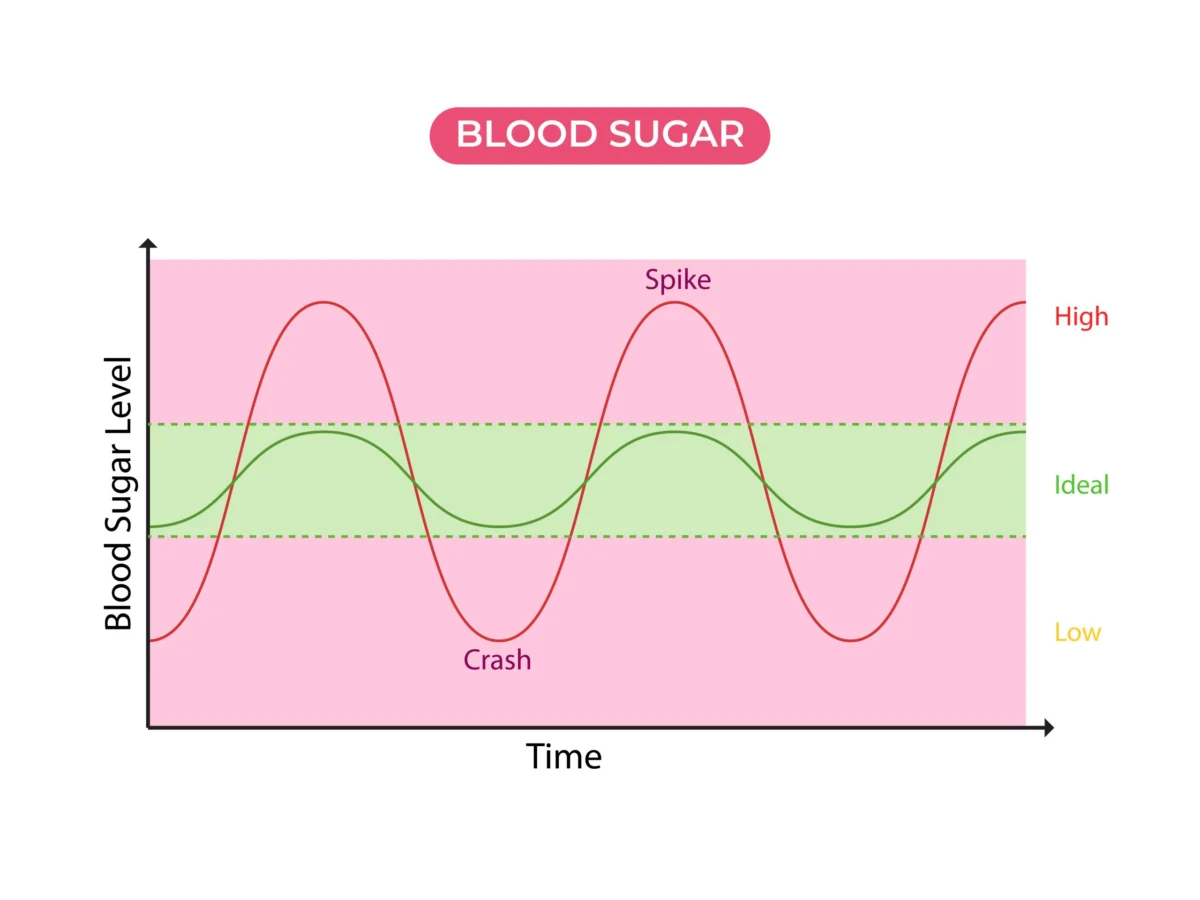
To understand why the plate method is so effective, one must first look at the physiological response to the modern diet. When we consume refined carbohydrates—such as white bread, processed snacks, or sugary beverages—our body experiences a rapid surge in glucose.
The pancreas responds by dumping insulin into the bloodstream to shuttle that sugar into cells. However, this insulin response is often an "overcorrection." As blood sugar levels plummet shortly after the spike, the body is left in a state of hypoglycemia, which manifests as brain fog, irritability, and intense cravings. This cycle creates a metabolic trap: the individual feels hungry again shortly after eating, leading to a repetitive cycle of overconsumption and energy instability.
Conversely, by emphasizing whole grains—such as quinoa, brown rice, or oats—the presence of dietary fiber slows the rate of glucose absorption. This results in a gradual, steady rise in blood sugar, allowing for a calm, consistent insulin release. The body receives a sustained energy supply, keeping you satiated, focused, and energized for hours rather than minutes.
Dr. Syeda Aafia, a medical content expert, emphasizes this balance: "The plate method focuses on equilibrium rather than restriction. By building meals with a thoughtful combination of vegetables, protein, whole grains, and healthy fats, we support steady energy levels and satiety, which are the cornerstones of long-term weight management."

The Five Pillars of the Weight Loss Plate
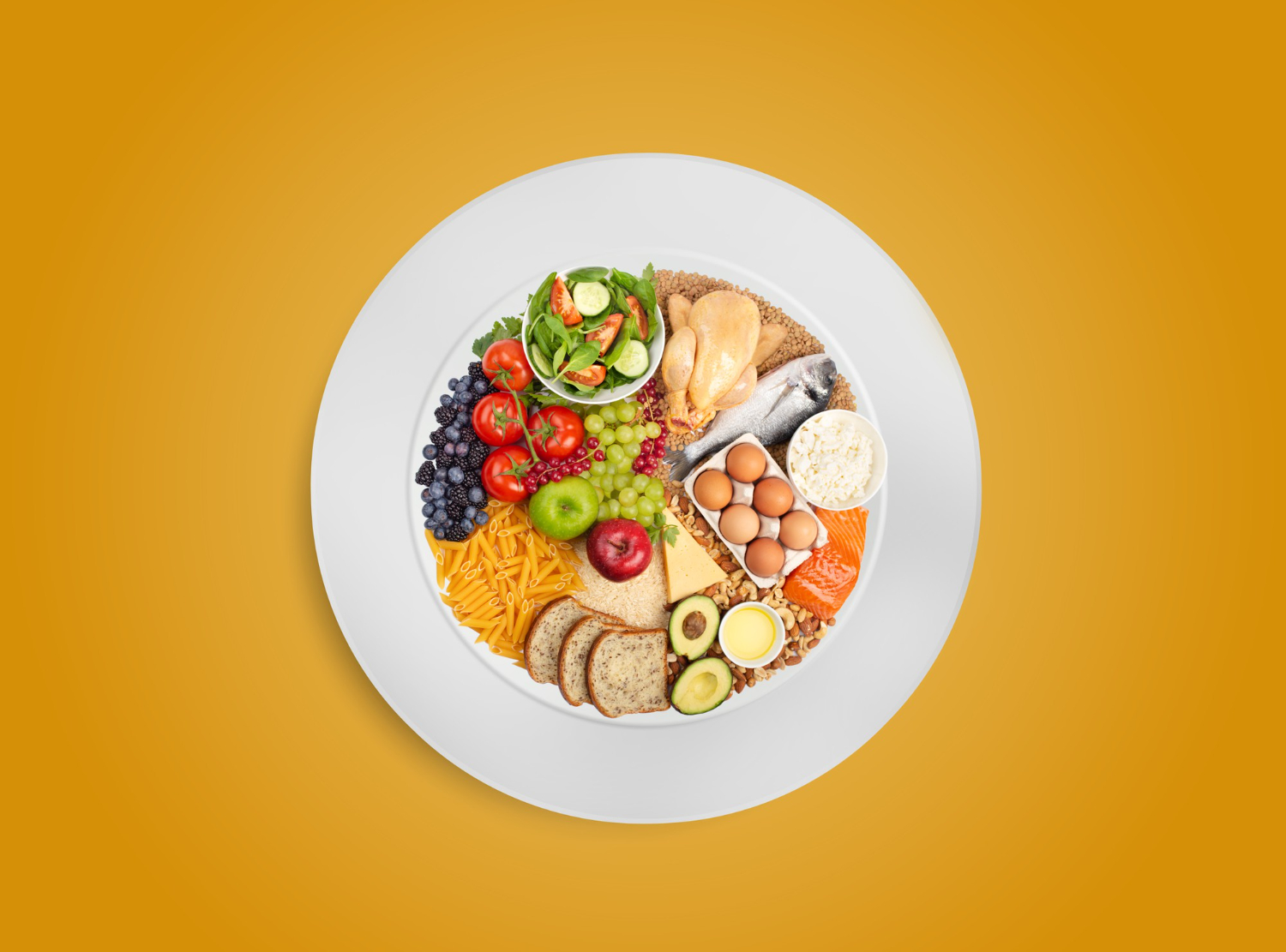
The Harvard-inspired plate method is built on five straightforward, scientifically grounded principles. Adopting these is as simple as re-evaluating the geometry of your dinner plate.
1. The Vegetable and Fruit Dominance
Half of your plate should be composed of vegetables and fruits. It is important to emphasize that this is not a side dish; it is the main event. By prioritizing fiber-rich, low-calorie volume, you naturally crowd out more calorie-dense options. However, nutritionists caution against the inclusion of starchy vegetables like potatoes, which, due to their high glycemic index, behave more like refined carbohydrates in the body. Opt instead for leafy greens, cruciferous vegetables like broccoli, or colorful bell peppers.
2. The Whole Grain Quarter
One quarter of your plate is reserved for high-quality, complex carbohydrates. Whole wheat, barley, oats, and quinoa are superior to refined alternatives. The goal here is not necessarily to limit the amount of carbohydrate, but to improve its quality. These grains provide the sustained fuel necessary to keep hunger hormones at bay throughout the day.
3. Lean Protein for Satiety
The final quarter of your plate should be dedicated to lean protein. Whether you choose fish, poultry, legumes, or plant-based proteins like tofu and tempeh, this portion is critical for muscle preservation and satiety. Clinical research, such as findings published in the American Journal of Clinical Nutrition, consistently shows that higher protein intake helps suppress hunger hormones, making it easier to maintain a calorie deficit without the feeling of deprivation.
4. Embracing Healthy Fats
The "low-fat" movement of the late 20th century was largely based on flawed science. Healthy fats, derived from olive oil, avocados, nuts, and seeds, are essential for hormone regulation and the absorption of fat-soluble vitamins (A, D, E, and K). The strategy here is to avoid trans fats and hydrogenated oils while embracing monounsaturated and polyunsaturated fats in moderation.

5. Hydration and Beverage Choices
What you drink is as significant as what you eat. Sugary sodas, sweetened juices, and flavored milks are often the "hidden" culprits behind weight gain. Substituting these with water, unsweetened tea, or coffee effectively removes a significant number of empty calories. Furthermore, drinking water before a meal is a proven behavioral trick to increase fullness.
Behavioral Strategies: Managing Portions at Home and Abroad
Understanding the composition of your plate is the first step, but managing the volume is the second. Even the healthiest foods can lead to weight gain if consumed in excessive quantities.
Cultivating Mindful Habits
- The Plate Rule: Always serve food onto a plate. Eating directly from a package leads to "mindless snacking," where the brain fails to register the amount of food consumed.
- Digital Detox: Avoid eating while watching television or scrolling through your phone. Distracted eating is a primary driver of overeating.
- The 15-Minute Rule: It takes approximately 15 to 20 minutes for the brain to receive the signal from the stomach that it is full. Eating slowly is perhaps the most effective way to prevent overconsumption.
- Visual Architecture: Using smaller plates and bowls can trick the brain into feeling satisfied with a smaller portion size, an optical illusion that is highly effective in curbing the tendency to "clean the plate."
Navigating the Restaurant Environment
Eating out presents a challenge due to the massive portion sizes typically served in modern dining establishments. To combat this, adopt the "half-plate" strategy: immediately ask for a takeaway container when your meal arrives and pack away half the portion before you even begin eating. This ensures you are not pressured to finish an oversized meal simply because it is in front of you.
Implications for Public Health and Longevity
The beauty of the plate method lies in its universality. Whether you are following a Mediterranean, Indian, or Western diet, the ratios remain valid. For instance, in an Indian context, one might fill half the plate with a vegetable sabzi or salad, one quarter with a dal (lentil) or paneer-based protein, and one quarter with a small portion of whole-wheat roti or brown rice.
The clinical implication of this method is profound. By fostering a consistent caloric deficit through portion control rather than crash dieting, individuals can expect a steady, sustainable weight loss of approximately 0.5 to 1kg per week. This is widely considered the "gold standard" for weight loss, as it preserves muscle mass and minimizes the metabolic slowdown associated with extreme caloric restriction.
Conclusion: A Shift in Perspective
The Weight Loss Plate Method is not a temporary fix; it is a lifestyle evolution. It removes the stress of tracking, the frustration of "banned" foods, and the misery of hunger. By focusing on the quality and proportion of what goes on your plate, you empower yourself to make better choices without sacrificing the joy of eating.
As we move toward a more balanced approach to health, the plate method serves as a reminder that the most effective interventions are often the simplest. By starting tonight—filling half your plate with vegetables, a quarter with lean protein, and a quarter with whole grains—you are not just starting a diet; you are building a foundation for a healthier, more energized future.
Frequently Asked Questions (FAQs)
Q: Can I follow this method without exercising?
A: Yes, the plate method creates a natural calorie deficit that supports weight loss. However, adding physical activity—even a 20-minute daily walk—significantly enhances metabolic health and accelerates results.
Q: How do I handle social gatherings?
A: The plate method is flexible. When dining out or at a party, focus on the "half-plate" vegetable rule and prioritize protein. If you indulge in an off-plan meal, simply return to the plate method at your next scheduled mealtime.
Q: Is it suitable for vegetarians and vegans?
A: Absolutely. Plant-based proteins such as chickpeas, lentils, tofu, and edamame are excellent sources of protein and fiber, fitting perfectly into the "protein quarter" of the plate.
Q: What if I have specific medical conditions?
A: While the plate method is generally safe for the public, individuals with diabetes, kidney disease, or other metabolic conditions should consult their primary care physician or a registered dietitian before making significant dietary changes.
References:
- Harvard T.H. Chan School of Public Health. Healthy Eating Plate. The Nutrition Source.
- National Institute of Diabetes and Digestive and Kidney Diseases. Just enough for you: About food portions.
- American Journal of Clinical Nutrition. Protein intake and satiety: A review of the evidence.