Is your LinkedIn reach plummeting? If your recent posts are falling flat, you aren’t alone. LinkedIn has quietly executed one of the most significant architectural overhauls in its history, moving away from a patchwork of legacy systems toward a unified, AI-driven distribution engine.
To succeed in this new landscape, content creators and marketers must stop thinking about their followers and start thinking about their "professional journey." In this deep dive, we explore how the new algorithm functions, why the era of the generalist is over, and the invisible signals you must master to regain your reach.
The Shift: From Connections to Context
For years, LinkedIn functioned on a relatively straightforward premise: show users what their connections were posting. That era is officially over.
LinkedIn has dismantled five disparate legacy systems and replaced them with a single, AI-powered brain. This new engine prioritizes interest-based distribution over social graph proximity. The platform is now tracking a user’s "professional journey" over time, analyzing the nuance of their interests rather than simply reacting to the most recent engagement.
This evolution mirrors the trajectory of platforms like TikTok and YouTube. On these networks, the "Follow" button no longer guarantees visibility. Instead, the algorithm serves content based on relevance and meaning. LinkedIn’s new system understands semantics—it knows that a post about "reducing customer churn" is relevant to someone interested in "customer retention," even if the terminology doesn’t match perfectly.
The Rise of the Specialist
Because the algorithm is now optimized for thematic authority, specialization is your greatest asset.
When you publish a series of related posts, you are essentially "training" the algorithm to categorize you as an expert in a specific niche. Once that association is formed, LinkedIn will serve your content to that target audience with significantly higher reliability.
Conversely, the generalist strategy—mixing posts about AI, personal anecdotes, market trends, and career fairs—is now a liability. Each disparate post acts as an isolated signal rather than a building block for your authority. While you might still get views, you lose the compounding effect of being recognized as a "go-to" voice in your industry.
Chronology of the Update: The Death of Visible Engagement
The shift toward interest-based distribution didn’t happen overnight, but it was confirmed by a recent analysis of over 600,000 posts from 63,000 unique accounts. The data reveals a stark divergence between visible and invisible engagement.
- The Decline of Vanity Metrics: Traditional indicators—likes, shares, and public comments—are becoming less predictive of a post’s total reach.
- The Rise of Invisible Signals: Data shows that engagement is increasingly driven by "invisible" behaviors: clicks, carousel swipes, video view duration, and the "see more" expansion tap.
- The 14% Boost: Content that encourages these invisible behaviors is seeing a 14% increase in overall distribution compared to content that relies solely on public engagement.
This shift suggests that LinkedIn’s AI is prioritizing depth over breadth. It wants to know if a user actually consumed the content, not just if they performed a "drive-by" like while scrolling.
Supporting Data: Why "More" Matters
The "See More" button is perhaps the most important, yet overlooked, trigger in the new algorithm.
Internal data indicates that roughly 50% of a post’s total impressions occur within the first 48 hours. If a post fails to generate early, meaningful interaction, the algorithm effectively throttles its reach. Clicking "see more" is a clear signal of intent. It tells the algorithm: "This content is interesting enough that the user wants to read the full context."

Engineering Invisible Signals
To capitalize on this, creators must engineer their content specifically for these interactions:
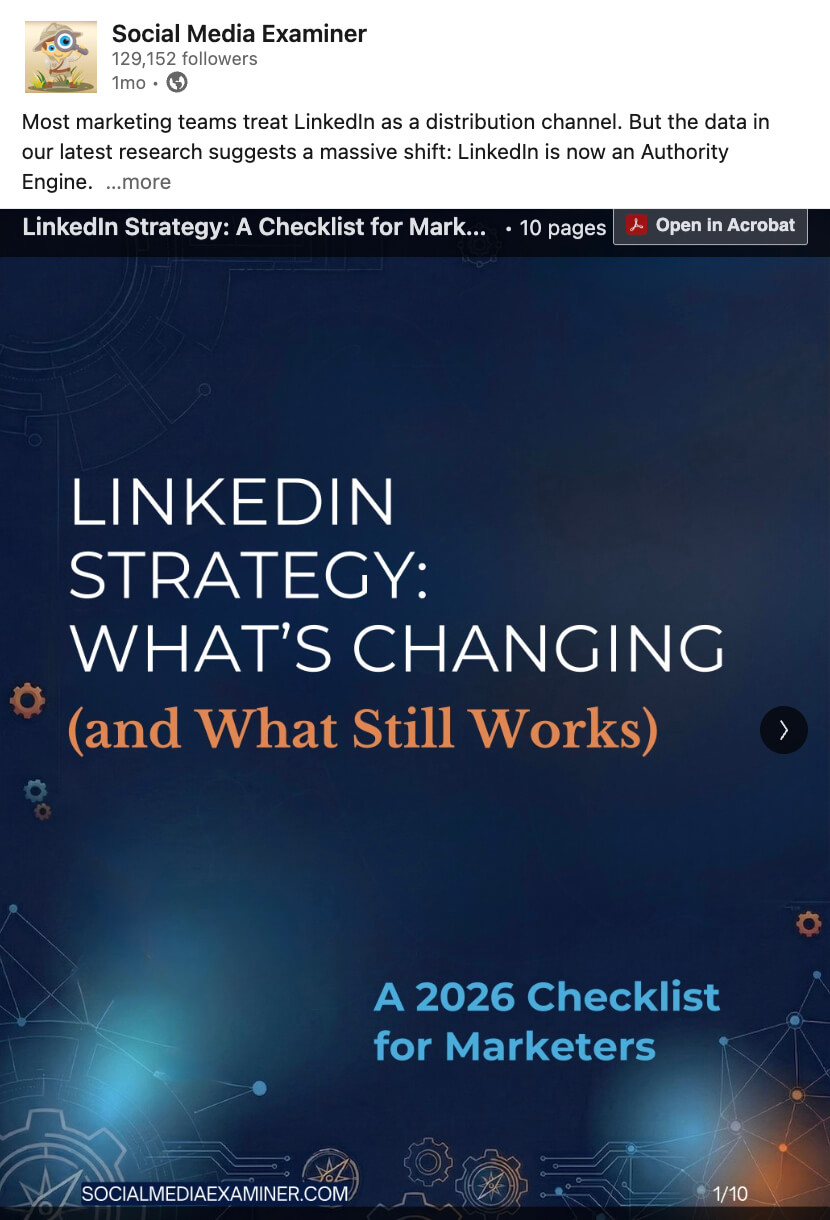
- Carousel and Document Posts: Data shows these formats outperform single-image posts by a factor of 11. By nature, they require a "swipe"—an invisible engagement signal that confirms interest to the algorithm.
- The Hook Strategy: Your opening line is no longer just a headline; it is a conversion tool. A strong hook should provide value while withholding just enough information to compel the reader to click "see more."
- Specific Prompting: Generic CTAs like "What do you think?" are failing. Posts that include highly specific, context-driven questions—such as, "How have you handled the shift to AI-generated drafts in your workflow?"—generate 77% more comments.
Official Perspectives: The Expert View
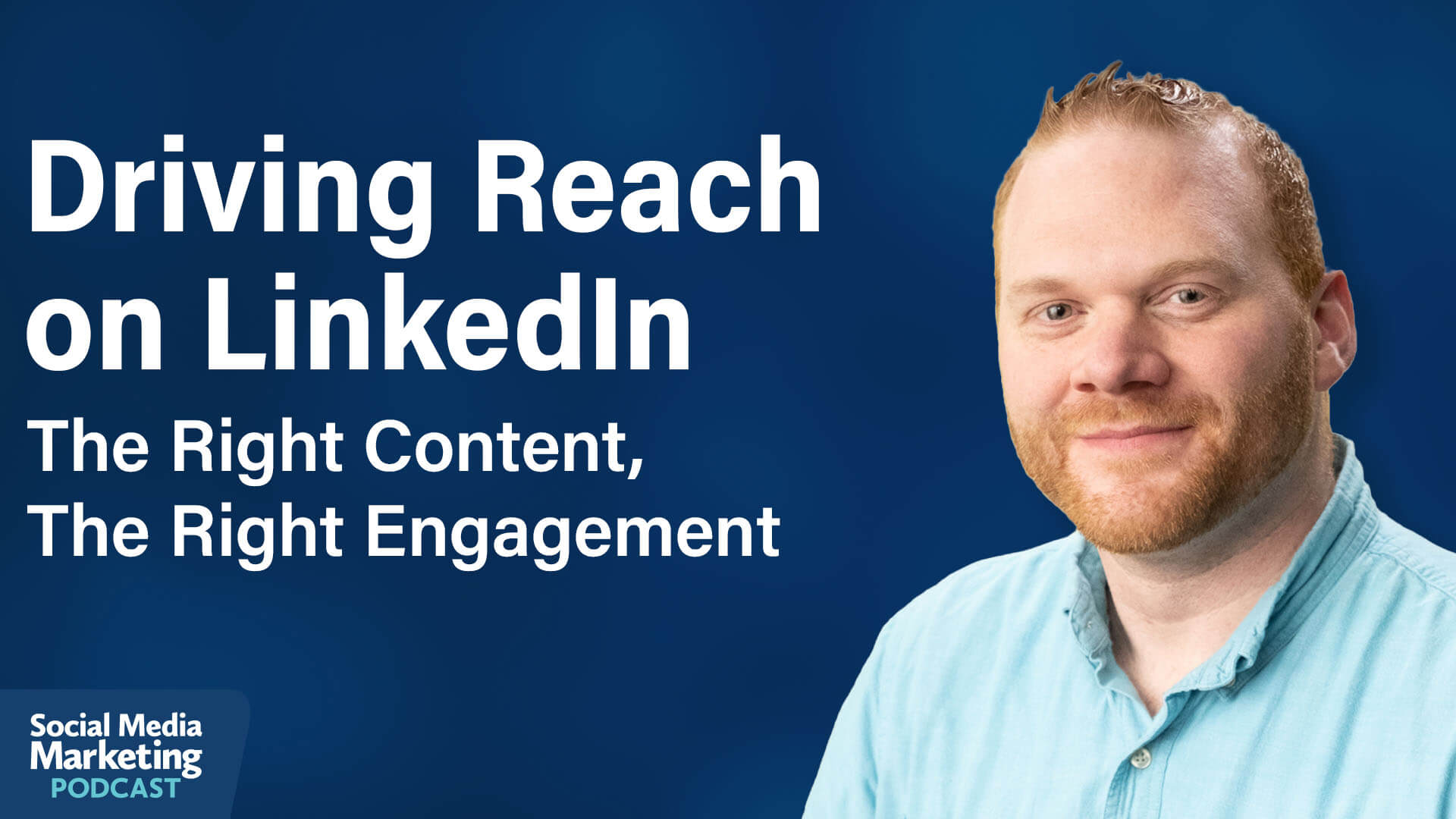
AJ Wilcox, a leading authority on LinkedIn advertising and strategy, emphasizes that content fatigue is largely a psychological barrier for the creator, not the audience.
"Your audience is constantly evolving," Wilcox notes. "The person reading your post today is likely encountering your core ideas for the first time, even if you’ve written about them dozens of times. The goal is not to stop repeating your message, but to refresh your delivery."
Wilcox suggests a "variable approach" strategy. Instead of changing your topic, change the metaphor, the format, or the perspective. Use AI tools to brainstorm different angles on your core subject matter. By consistently approaching a subject from new, original angles, you signal to the algorithm that you are a thought leader, not a content recycler.
Implications for Future Content Strategy
As AI systems become more adept at distinguishing between original thought and repurposed fluff, the barrier to entry for "thought leadership" is rising.
1. Prioritize Comment Density
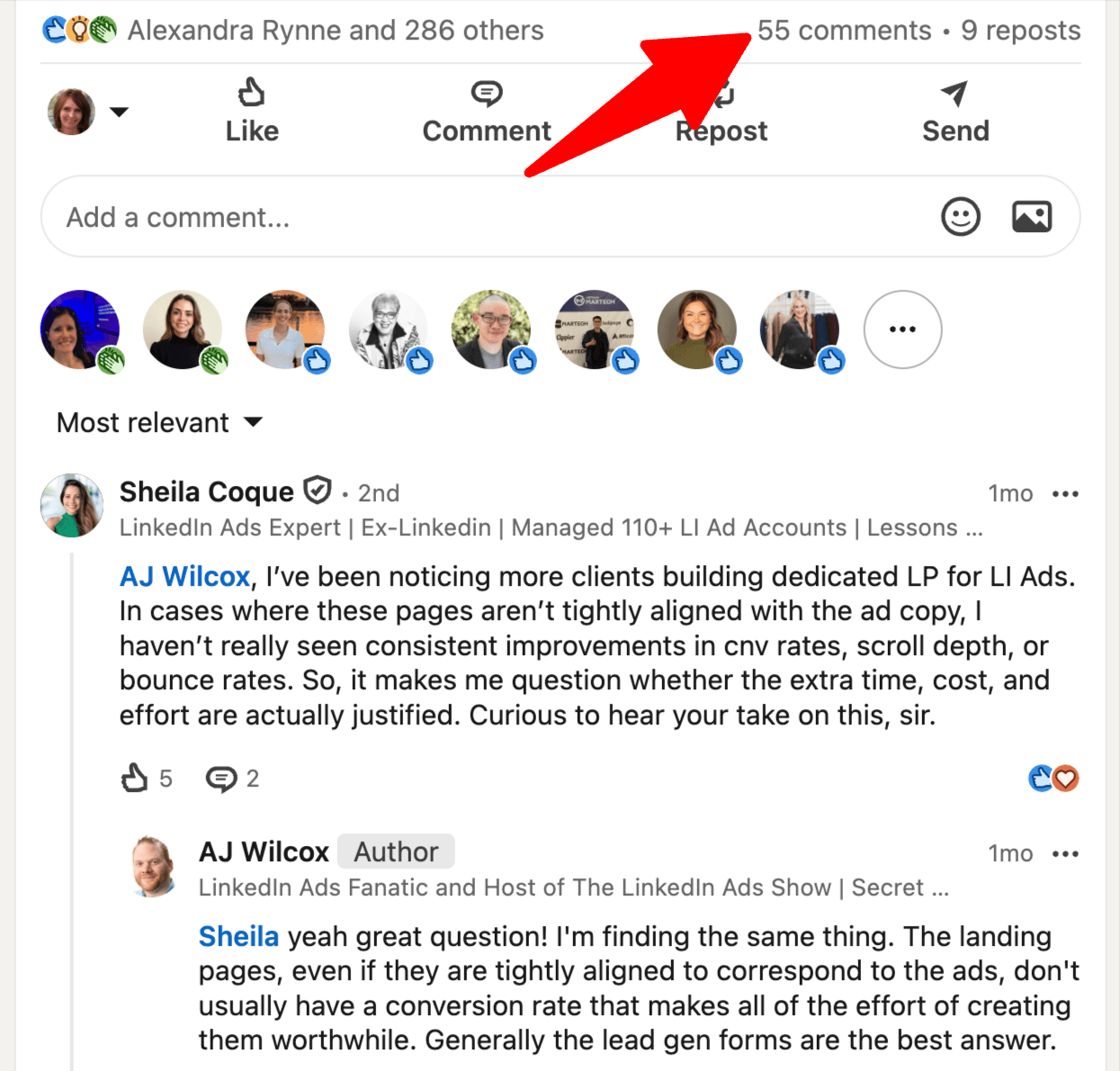
The algorithm now measures the depth of conversation. A shallow, one-line reply to a comment carries little weight. A substantive back-and-forth dialogue signals to the platform that your post is a hub of genuine engagement. Response speed also remains a critical factor; engaging with comments within the first hour of publication can significantly boost a post’s trajectory.
2. Guard Against Spam
Not all engagement is good engagement. The rise of AI-generated comment spam is being countered by algorithms that ignore "bottled" interactions. Focus your energy on users who engage with the specific points you’ve raised. If you see a cluster of identical, low-effort comments, the algorithm likely already recognizes them as spam and is discounting them—you should, too.
3. The Compounding Effect of Authority
For brands and individuals, the takeaway is clear: consistency of theme is the new king. If you want to own a category on LinkedIn, you must be disciplined in your topic selection.
By narrowing your focus, creating content that triggers invisible engagement (swipes, clicks, and expansions), and fostering deep, meaningful conversations in the comments, you can effectively "train" the algorithm to prioritize your content.
Conclusion: Adapting to the New Reality
The LinkedIn feed is no longer a public square for random updates; it is a high-stakes ecosystem for professional authority. By moving away from the "generalist" trap and leaning into the "specialist" model, creators can harness the power of the new AI-driven distribution.
The metrics that mattered yesterday—likes and shares—are becoming relics. The metrics that matter today—clicks, swipes, and meaningful discourse—are the keys to the future. To thrive, you must be more intentional, more original, and more focused than ever before. Your professional journey is the story the algorithm is trying to tell; make sure you’re the one writing the chapters.
For those looking to dive deeper into these strategies, consider exploring virtual training sessions for Social Media Marketing World or joining the AI Business Society to stay ahead of the rapid changes in digital distribution.