
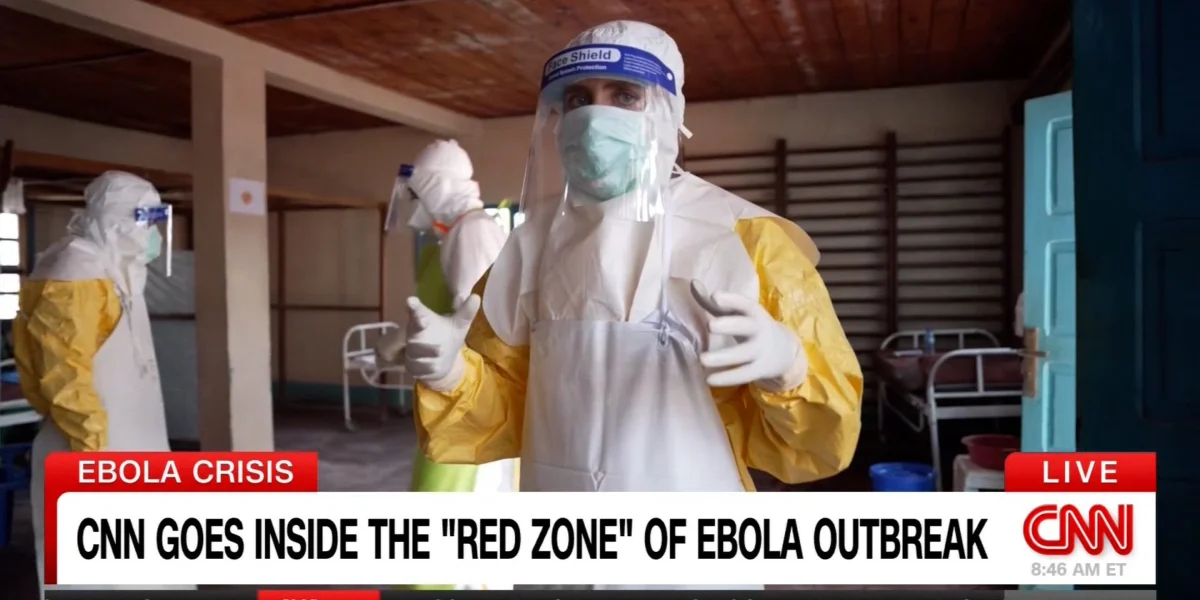
In the remote, gold-rich highlands of the Democratic Republic of Congo (DRC), a silent killer has once again emerged from the shadows. As the global community turns its attention toward the complexities of international trade and communication, a stark, visceral crisis is unfolding in the Ituri Province. CNN’s chief international correspondent, Clarissa Ward, has spent the past several days embedded in the epicenter of the latest Ebola outbreak, providing the world with a harrowing, firsthand account of a region grappling with an invisible enemy.
As the only television news organization with sustained access to the region, Ward’s reporting from Bunia—the provincial capital—and the isolated mining town of Mongbwalu serves as a critical window into a humanitarian emergency that has already claimed 62 lives. With 363 confirmed cases and counting, the situation is a grim reminder of the volatility of public health in conflict-affected regions.
The Geography of Despair: Main Facts of the Crisis
The current outbreak is centered in the Ituri Province, a region historically plagued by instability, fragmented infrastructure, and the scars of long-standing civil conflict. The virus, characterized by its rapid transmission and high mortality rate, has forced medical professionals into a desperate, around-the-clock struggle to contain the spread.
The "red zone" of the Bunia General Hospital—a strictly controlled area where suspected patients are isolated—serves as the primary stage for this drama. Inside, the atmosphere is defined by a suffocating mix of fear, grief, and the fragile hope offered by frontline health workers. The virus does not just attack the body; it dismantles the social fabric of the community, turning age-old traditions of mourning into dangerous vectors for infection.
Chronology: A Race Against Time
The logistics of reporting on such a crisis are as daunting as the outbreak itself. According to Ward, the journey to the epicenter is a testament to the immense bureaucratic and physical hurdles that prevent international aid and media from reaching the most affected areas.
- Pre-Deployment: The mission required over a week of intensive negotiations to secure accreditation. Journalists must navigate the labyrinthine requirements of both the Ministry of Communication and the Ministry of Health in the DRC.
- The Journey: The team’s trek began in London, necessitating a transit through Paris before reaching the capital, Kinshasa. From there, the team relied on United Nations logistics to complete the final leg to Bunia.
- On the Ground: Upon arrival, the daily routine of the crew—and anyone entering the health zone—is strictly governed by safety protocols. Every interaction is preceded by sanitization, and every movement is monitored by health officials to ensure that the virus does not hitch a ride on clothing or equipment.
- The Origin: Ward’s investigation led her to Mongbwalu, a remote gold-mining town believed to be the "patient zero" site for this current wave. Interviews with local officials and residents revealed a deep-seated skepticism toward external aid workers, a phenomenon often born from decades of broken promises and institutional neglect.
Supporting Data and Medical Challenges
The CDC and local health authorities have been tracking the transmission patterns with growing concern. As of the latest reporting, the confirmed death toll stands at 62. However, the true scale of the crisis is difficult to measure due to the lack of infrastructure in rural areas.
The medical response is hampered by a clash between modern epidemiology and cultural tradition. In Ituri, the funeral is a cornerstone of social life. The traditional practice of touching and washing the body of a deceased loved one—an act of profound respect—is, in the context of Ebola, a lethal event.
"One of the biggest challenges for authorities here is the tradition around funerals," Ward explained. "In this region, there is the practice of touching and washing the body before laying a loved one to rest. Hundreds of people normally attend these events. Authorities have struggled to explain to people that they cannot touch the body and have to mourn at a safe distance."
This disconnect has necessitated a creative approach to public health communication. Ward noted that in areas without reliable television, internet access, or high literacy rates, radio has become the most effective tool. She described hearing an "upbeat, catchy" radio jingle detailing the intricacies of social distancing and the dangers of handling deceased animals—a stark contrast to the grim reality of the ward.
Official Responses and the Public Trust Deficit
The skepticism noted by local journalists in Mongbwalu is a significant barrier to containment. When residents do not trust the aid workers, they are less likely to report symptoms or follow quarantine mandates. This "trust deficit" is a recurring theme in the DRC’s history with infectious diseases.
Local mayors and community leaders find themselves in an impossible position: they must enforce strict, life-saving measures that contradict the deeply held cultural values of their constituents. The reluctance of the local population to engage with health authorities is not merely a rejection of medicine; it is a manifestation of the trauma caused by seventeen previous Ebola outbreaks, decades of poverty, and the constant threat of armed conflict.
Implications: A Humbled Perspective
As the crisis continues to unfold, the implications for the international community are clear: responding to an outbreak in a region like Ituri requires more than just medical supplies. It requires a deep, empathetic understanding of the local culture and a long-term commitment to rebuilding the trust that has been eroded by years of systemic hardship.
When asked about her most profound takeaway from the region, Ward offered a perspective that transcends the news cycle. She spoke of the extraordinary resilience of the Congolese people.
"The people of the DRC have lived through decades of conflict. This is the 17th Ebola outbreak they have endured," Ward said. "Poverty and disease are rampant. Despite the enormous suffering, the courage and resilience that they have shown in the face of this crisis has humbled me profoundly."
Conclusion: The Road Ahead
The situation in Bunia and Mongbwalu remains fluid. While the international community watches, the frontline workers in the red zone continue their battle. The success of the containment effort will depend on a delicate balance: the rigorous application of scientific protocols and the sensitive, respectful engagement with a community that has known little but struggle.
The lesson from this 17th outbreak is that infectious disease does not occur in a vacuum. It is inextricably linked to the social, political, and historical realities of the people it touches. As the world moves forward, the story of the Ituri Province will serve as a poignant reminder of the cost of indifference and the vital importance of global solidarity in the face of our most common, and most deadly, enemies.
For those following this developing story, stay tuned to ongoing reports as international organizations and local health officials continue their efforts to bring the current outbreak to a close. The work in the red zones of the DRC continues, driven by the courage of those on the ground and the urgent need for global attention.