As the world turns its collective gaze toward the pitch for the 2026 FIFA World Cup, the marketing landscape has once again been transformed into a battleground for brand relevance. At the forefront of this effort is Coca-Cola, a sponsor of the tournament since 1978, which has eschewed the traditional "one-off" commercial approach in favor of a sprawling, narrative-driven journey.
Through its "Feel It All" campaign, Coca-Cola has successfully bridged the gap between the raw, visceral experience of sports fandom and the refreshing ubiquity of its product. By treating the World Cup not as a single event, but as a months-long emotional odyssey, the beverage giant has set a high bar for creative engagement.
The Chronology of a Campaign: From Anticipation to Euphoria
The "Feel It All" campaign was never intended to be a singular blast of advertising. Instead, it was meticulously architected in three distinct acts, each designed to mirror the psychological arc of the modern football fan.
Act I: The Spark (January)
The campaign began in early 2026 with the release of "Bubbling Up." This initial spot was designed to capture the "first spark" of anticipation—the quiet, simmering excitement that begins months before the first whistle blows. It served to prime the audience, grounding the brand in the long-term commitment that fans feel toward their national teams.
Act II: The Ritual (April)
By April, as the tournament neared, the narrative deepened with "Uncanned Emotions." This chapter moved beyond mere anticipation to explore the idiosyncratic rituals and raw nerves that define global football culture. It tapped into the superstitions, the nervous habits, and the intense psychological investment that fans carry into the tournament, effectively positioning Coca-Cola as a constant companion through the highs and lows.
Act III: The Peak (June)
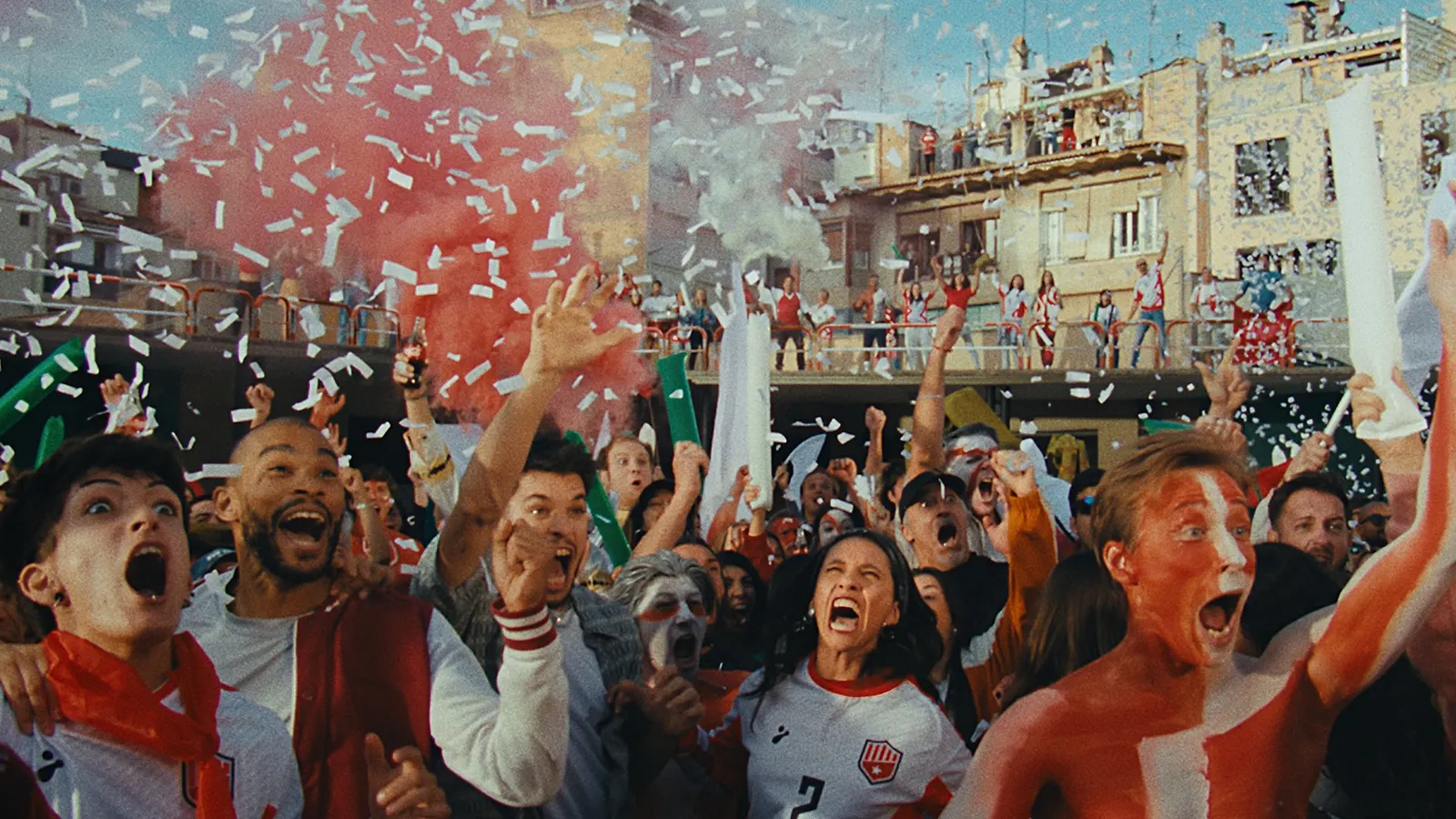
The culmination of the journey arrived this week with the two-minute short film, "No Better Feeling." The film centers on the ultimate modern football tension: the VAR (Video Assistant Referee) review. In a stroke of narrative brilliance, the ad captures the agonizing pause of a goal being reviewed. As fans wait, time seemingly freezes, allowing for a moment of quiet refreshment—a Coke from the fridge—before the goal is reversed and the screen erupts into a slow-motion tableau of pure, unadulterated celebration.
Technical Craft and Artistic Vision
The creative execution of "No Better Feeling," led by WPP Open X—a bespoke agency unit anchored by Ogilvy—is a study in stylistic contrast. According to Guillermo Vega, global creative network lead for WPP Open X, the intention was to move away from the "polished, overly-commercial" look of typical sports advertising to something that felt authentic and lived-in.
The film is segmented into three visual languages:
- Observational: A raw, documentary-style approach that captures the authentic anxiety of the fan experience.
- Surreal/Stylized: The middle section, which takes place in a black void with a solitary refrigerator, draws aesthetic inspiration from the psychological horror genre, specifically referencing films like Get Out and Under the Skin. This shift serves to emphasize the "stasis" of the VAR waiting period.
- Tableau: The final act utilizes slow-motion wide frames to capture the collective explosion of joy, focusing on the humanity and community inherent in the sport.
Director Rich Hall was credited by the agency with pushing these stylistic boundaries further than the initial script intended, transforming what could have been a standard product-placement spot into a piece of visual art that resonates with the intense, often irrational nature of sports fandom.
Cultural Crossovers and Star Power
Coca-Cola’s strategy for the 2026 World Cup relies heavily on the integration of pop culture icons alongside everyday fans. By placing celebrities in the same emotional context as the general public, the campaign creates a leveling effect, reinforcing the idea that the World Cup is a universal equalizer.
Key figures appearing in the campaign include:
- José Mourinho: The legendary manager is featured not only in the commercials but also in a unique, AI-powered content series titled José vs. Mourinho, where the coach debates a digital twin of himself.
- J Balvin: The Colombian musical sensation, who was instrumental in the musical side of the campaign by helping rework Van Halen’s "Jump," is seen reacting to the game from his studio.
- Peter Drury and Luis Omar Tapia: These iconic voices of football provide the audio backdrop, lending an air of authenticity and prestige to the campaign’s emotional peaks.
This cross-pollination of talent serves to weave the disparate pieces of the "Feel It All" campaign into a cohesive tapestry, ensuring that the brand remains top-of-mind across social media, broadcast, and digital platforms.
Financial and Strategic Implications
Coca-Cola’s aggressive marketing push arrives against a backdrop of strong financial performance. In the first quarter of 2026, the company reported a 12% growth in net revenue, reaching $12.5 billion. This financial stability provides the foundation for such high-production-value campaigns, allowing the company to experiment with emerging technologies like AI and deep-narrative storytelling.
However, the brand is also in a state of organizational flux. Concurrent with the World Cup campaign, Coca-Cola announced a global agency review covering media, data, and technology. It is a critical distinction that the company has explicitly stated that its "global creative and PR disciplines" are not in scope, signaling a deep-seated satisfaction with the WPP Open X model.
This decision highlights a modern marketing trend: the move toward integrated, agency-of-record models that can manage a brand’s creative identity with consistency across all regions, while treating media buying and data management as separate, modular components that can be optimized independently.
The "Feel It All" Philosophy: A Future-Proof Strategy
The success of Coca-Cola’s 2026 World Cup campaign lies in its recognition of the fan experience. As Guillermo Vega noted, the goal was to identify the moments where fans "lose their minds" and then position the product as the "trigger of relief."
By focusing on the journey rather than the event, Coca-Cola has successfully insulated itself from the volatility of the tournament. Whether a team wins or loses, the "Feel It All" narrative holds true. The campaign acknowledges that the agony of a denied goal and the ecstasy of a victory are two sides of the same coin—and that both are better with a Coke.
As the tournament progresses, the efficacy of this strategy will be measured not just in sales, but in the "share of culture" the brand manages to capture. In an era where consumers are increasingly immune to traditional advertising, Coca-Cola’s decision to lean into the visceral, messy, and deeply human experience of sports fandom serves as a roadmap for global brands looking to remain relevant in a fragmented media environment.
By balancing technical craft with genuine human emotion, Coca-Cola has ensured that, regardless of which team lifts the trophy in 2026, the brand has already secured a significant victory in the hearts and minds of the global football audience.