In the fast-paced world of modern software engineering, scalability and speed are the currencies of success. As businesses transition toward microservices and real-time data processing, Node.js has emerged as the industry-standard runtime environment. However, finding the right talent to harness the power of the V8 engine is no simple task. Crafting a precise, compelling, and strategic job description is the first step in building a development team capable of driving your digital roadmap forward.
The Evolution of the Node.js Ecosystem
Node.js, built on Chrome’s V8 JavaScript engine, revolutionized back-end development by enabling asynchronous, event-driven architecture. Unlike traditional multi-threaded server environments, Node.js uses a single-threaded event loop, making it exceptionally efficient for I/O-heavy tasks like streaming services, real-time collaboration tools, and high-traffic APIs.
The role of a Node.js developer has evolved significantly over the last decade. Once considered a niche skill set for front-end developers dipping their toes into the back-end, it is now a foundational requirement for full-stack and specialized back-end engineers alike. As the ecosystem has matured to include robust frameworks like Express.js, NestJS, and Fastify, the expectations for developers have moved beyond simple script writing to include complex architecture design, cloud deployment, and security orchestration.
Defining the Role: Who Is a Node.js Developer?
At its core, a Node.js developer is a back-end specialist who bridges the gap between server-side logic and client-side functionality. They are the architects of the "plumbing" that keeps an application running—managing databases, handling API requests, and ensuring that the data flow between the user interface and the server remains seamless.
Core Responsibilities
- Architecting Scalable Systems: Moving beyond monolithic structures into microservices to ensure that applications can handle sudden spikes in user traffic.
- Database Management: Interfacing with both SQL (PostgreSQL, MySQL) and NoSQL (MongoDB) databases to ensure data integrity and query efficiency.
- API Development: Creating secure, RESTful, or GraphQL-based APIs that serve as the communication bridge between services.
- Security & Compliance: Implementing OAuth, JWT (JSON Web Tokens), and other security protocols to protect user data from vulnerabilities like SQL injection or cross-site scripting (XSS).
The Anatomy of an Effective Job Description
To attract high-caliber talent, your job description must be more than a list of requirements; it must be a value proposition. Top-tier developers are often passive candidates—they aren’t necessarily looking for a job, but they are always looking for a challenge.
1. The Hook (Company Overview)
Start by painting a picture of your company culture. Why should an engineer care about your mission? Are you solving complex logistical problems, or are you creating the next big fintech solution? Contextualize your technical challenges to attract developers who thrive on problem-solving.

2. The Responsibility Matrix
Be granular. Instead of simply saying "write code," specify the environment. For example: "You will lead the migration from a monolithic architecture to a serverless microservices setup on AWS." This allows candidates to self-select based on their appetite for specific types of work.
3. Essential vs. Preferred Skills
Clarity here prevents a deluge of unqualified applications.
- The "Must-Haves": Node.js, Express.js, JavaScript (ES6+), RESTful API design, and version control via Git.
- The "Nice-to-Haves": TypeScript (highly valued for code robustness), Docker/Kubernetes experience, CI/CD pipeline knowledge, and familiarity with cloud providers like AWS, Azure, or GCP.
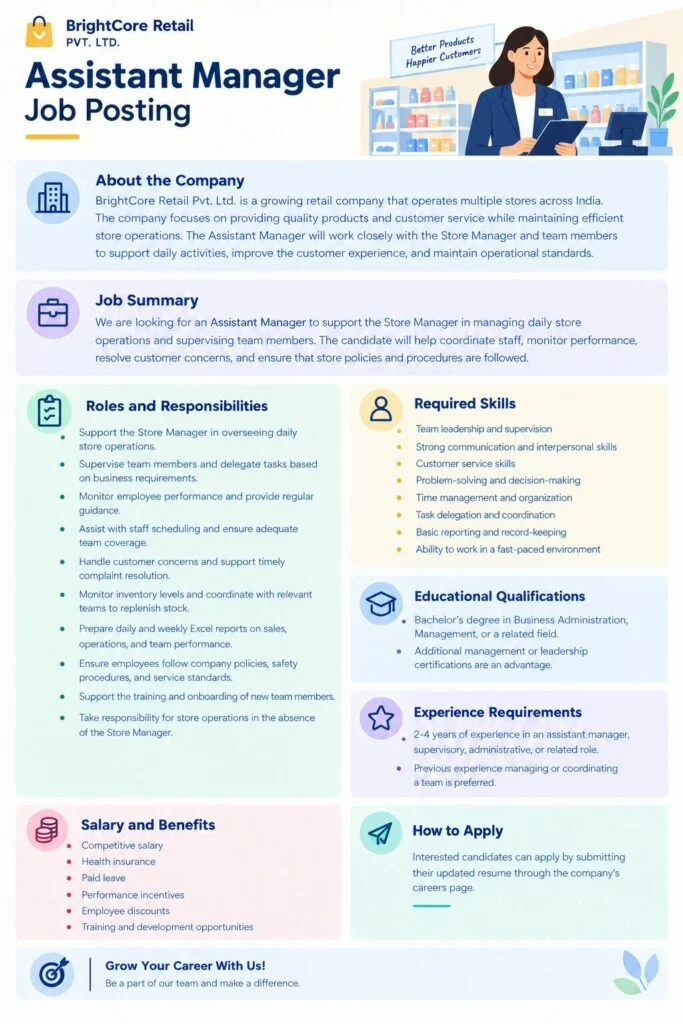
Sample Job Description: A Blueprint for Success
Below is a structured template designed for a mid-to-senior level role at a growing technology firm.
Job Senior Node.js Developer
Location: [City/Remote]
Employment Type: Full-Time
About the Role:
We are seeking an experienced Node.js developer to join our core engineering team. You will be responsible for designing and implementing high-performance back-end systems that serve our millions of active users.
Key Responsibilities:

- Design, develop, and maintain high-traffic back-end services.
- Optimize application performance through rigorous code reviews and bottleneck analysis.
- Collaborate with front-end teams to define and implement API schemas.
- Maintain comprehensive technical documentation for internal services.
Qualifications:
- 3+ years of professional experience in back-end development.
- Deep understanding of the event-loop and non-blocking I/O.
- Experience with testing frameworks (Jest, Mocha, or Supertest).
- Bachelor’s degree in Computer Science or equivalent practical experience.
Supporting Data: Understanding Market Trends and Costs
Hiring is as much an economic decision as a technical one. According to current industry benchmarks, the cost of hiring a Node.js developer varies significantly based on geographic location and the depth of expertise.
Salary Benchmarking
| Experience Level | Salary Range (Per Annum) |
|---|---|
| Junior (0–2 years) | ₹3.7L – ₹4.8L |
| Mid-Level (3–5 years) | ₹5.9L – ₹8.8L |
| Senior (5+ years) | ₹9.0L – ₹13.2L |
Note: These figures are estimates based on market trends and can vary based on the candidate’s proficiency with specialized tools like Kubernetes or GraphQL.
Evaluating Candidates: The "Deep Dive" Interview Process
How do you separate the coders from the architects? A multi-stage evaluation process is essential.
- Technical Screening: Start with a brief, timed coding challenge that focuses on problem-solving logic rather than syntax memorization.
- Code Review Exercise: Provide the candidate with a snippet of flawed code and ask them to debug it. This tests their ability to maintain existing codebases, which is often a larger part of the job than writing new code.
- System Design Discussion: For senior roles, ask the candidate to walk you through a system design challenge. How would they design a real-time chat application or a high-volume notification system? This reveals their understanding of scalability, latency, and database architecture.
Implications for Your Hiring Strategy
The competition for Node.js talent is fierce. The "Great Resignation" and the rise of remote-first engineering teams have made it easier for developers to work for companies across the globe. To stay competitive, consider these three strategic implications:
- Flexibility is Currency: Developers value autonomy. Offering hybrid or fully remote options can widen your talent pool significantly.
- Tech Debt Matters: Talented developers are wary of joining teams with unmanageable technical debt. Be transparent about your current stack and the challenges the candidate will face.
- Invest in Growth: Include professional development in your benefits package. Access to certifications, conferences, and cloud training credits can be the deciding factor for a top candidate choosing between two offers.
Conclusion: Building for the Long Term
Hiring a Node.js developer is not merely about filling a vacancy; it is about finding a partner in your company’s technical evolution. By clearly defining the responsibilities, setting realistic salary expectations, and implementing a rigorous but fair evaluation process, you position your organization to attract the kind of talent that doesn’t just write code—they build the foundations of your future success.

As you embark on this recruitment journey, remember that the best developers are those who are curious, adaptable, and committed to clean code. Use these tools and insights to craft your job description, and you will find yourself well-equipped to build a high-performing engineering team that can tackle the complexities of tomorrow.
Frequently Asked Questions (FAQs)
Q1: Is TypeScript necessary for a Node.js developer?
While JavaScript is the foundation, TypeScript has become an industry standard for large-scale applications. It provides static typing, which reduces runtime errors and makes codebases easier to maintain. For senior roles, TypeScript proficiency is highly recommended.
Q2: How do I handle salary negotiations?
Research the market rate for the specific skills required. Be transparent about your budget, but be prepared to offer a higher range for candidates with proven experience in architecture, security, or cloud-native development.
Q3: What is the most common mistake in hiring Node.js developers?
The most common mistake is focusing too much on framework knowledge (like Express.js) and not enough on core computer science fundamentals, such as understanding how the event loop works or how to optimize database queries.
Q4: Should I prioritize formal education or a strong portfolio?
In the software industry, practical experience almost always trumps formal education. Look for GitHub profiles, contributions to open-source projects, or previous projects that show a clear understanding of problem-solving.