In an era defined by a relentless flood of information, the battle for a reader’s attention is won or lost in the blink of an eye. For bloggers, content creators, and digital journalists, the headline is merely the bait; the opening line is the hook. If the headline fails to secure the click, the article is invisible. But if the opening line fails to secure the read, the engagement is lost, and the bounce rate climbs.
Professional content strategists have long understood that the first few sentences of an article are the most critical pieces of real estate on a webpage. They are the transition point where a casual browser becomes an active reader. This article explores the psychology behind engagement, the strategies used by top-tier creators to capture interest, and the technical implications of mastering the "opening act."
The Anatomy of Engagement: Why First Impressions Matter
In human psychology, the "primacy effect" suggests that individuals are more likely to recall the first items in a series. In digital media, this translates into the opening paragraph. When a reader arrives at a post, they are subconsciously asking, "Is this worth my time?" If the writer spends the first 100 words on fluff, preamble, or dry exposition, the answer is almost always "no."
Consider a personal anecdote: My wife’s first words to me were, "Hi Michael, it’s nice to meet you." The humor—and the immediate engagement—lay in the fact that my name is Darren, not Michael. That singular, unexpected error forced an immediate, heightened level of attention. Whether you are writing a technical manual or a lifestyle blog, your opening line functions similarly. It must establish a tone, promise a value, and disrupt the reader’s internal monologue.
Chronology of a Reader’s Journey
To understand the weight of an opening line, one must look at the standard lifecycle of a reader’s experience:
- The Discovery Phase: The reader encounters a title on a search engine or social media feed. The title’s sole job is to facilitate a click.
- The Threshold: The reader clicks the link. They are now at the "Threshold." This is the first 5–10 seconds of interaction.
- The Evaluation: The reader scans the opening lines. They are checking for relevance, tone, and the "What’s in it for me?" factor.
- The Commitment: The reader decides to continue scrolling. This is where the "hook" pays off.
- The Consumption: The reader engages with the meat of the content, leading to the call-to-action (CTA).
If the opening line does not bridge the gap between the promise of the title and the reality of the content, the reader abandons the journey at step three.
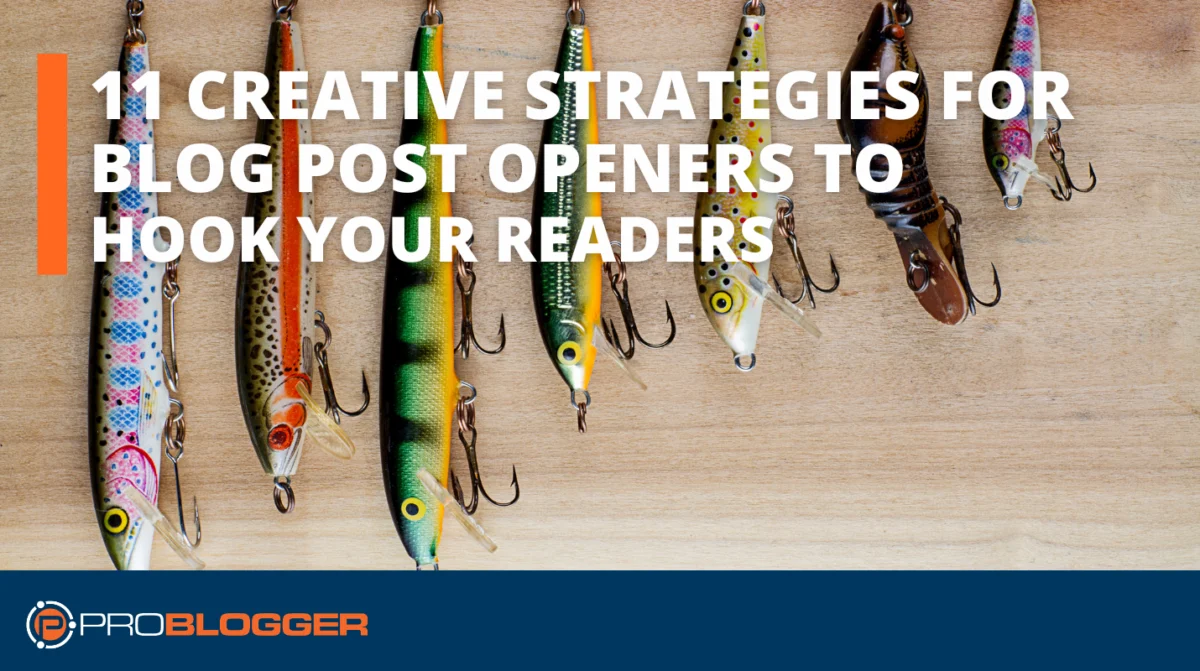
11 Strategic Approaches to Crafting the Perfect Hook
Creating a compelling opener is not an act of chance; it is a deliberate exercise in copywriting. Below are 11 proven strategies to ensure your readers stay past the first paragraph.
1. Identify a Specific Need
The most effective way to retain a reader is to prove you understand their pain point. By explicitly stating the problem your article solves, you create an immediate sense of urgency. If you can articulate a struggle better than the reader can themselves, they will naturally assume you possess the solution.
2. The "Yes" Question
Copywriters have used the "Yes-Ladder" for decades. By asking a question that prompts an internal "yes," you align the reader with your premise. For example, "Ever wondered why some posts keep you hooked while others don’t?" If the reader answers "yes," they have mentally committed to discovering the answer you are about to provide.
3. The Intriguing Mystery
Humans are wired to resolve open loops. By posing a question that lacks an immediate answer—or sharing a startling fact that creates a curiosity gap—you compel the reader to scroll down. The goal is to make the reader feel that they need to know the conclusion to feel satisfied.
4. The Power of the Unexpected
Patterns create boredom. If your blog usually features dry, analytical data, starting with a personal, slightly "off-topic" anecdote can break the rhythm. This "pattern interrupt" snaps the reader out of their passive scrolling state and forces them to re-evaluate the text as something unique.
5. Storytelling and Analogies
Stories are the oldest form of human communication. An opening anecdote acts as a vehicle for complex ideas. Whether it is a short, punchy sentence or a brief narrative, a story humanizes your brand and provides a mental framework for the reader to understand the technical details that follow.
6. The Bold Claim
Sometimes, brevity is the best policy. Starting with a confident, provocative statement establishes authority immediately. However, this carries a risk: you must be able to back up your claim. If you promise a revolution in your first sentence, you must deliver on that promise within the body of the text.
7. Stirring the Pot (Controversy)
Controversy is an effective, albeit polarizing, tool. By taking a firm stance against a popular opinion or industry standard, you create a tribe-based engagement. Readers will read on to see if you have the evidence to justify your stance—or to write a rebuttal in the comments section. Either way, engagement increases.
8. Painting a Vivid Picture
Engage the senses. If you can force a reader to visualize a scenario—either a nightmare scenario they wish to avoid or an aspirational vision they wish to achieve—you create emotional stakes. Emotions are a stronger driver of long-term retention than logic alone.
9. Utilizing Startling Statistics
Numbers carry an inherent weight of authority. A shocking statistic—such as "Only 1 in 100 readers will ever comment on your blog"—creates a data-driven "hook" that is hard to ignore. It contextualizes the problem immediately and provides a baseline for the discussion.
10. The Wisdom of Quotes
A carefully curated quote from an expert or historical figure can provide instant credibility. It aligns your argument with established wisdom and sets a thoughtful, intellectual tone for the rest of the piece.
11. Leading with Visuals
In the digital age, we are visual creatures. Opening with a striking, high-quality image that encapsulates the theme of the post can draw readers in before they even read a word. Often, the image acts as the "hook," and the text acts as the "explanation."
Supporting Data and Industry Implications
Recent analytics from content marketing studies suggest that the average human attention span has dropped to approximately eight seconds. This has profound implications for digital publishing. Sites that prioritize "the hook" experience significantly lower bounce rates.
Data indicates that posts utilizing storytelling openers see an average of 30% higher "time on page" metrics compared to those that start with dictionary definitions or dry introductions. Furthermore, posts that start with a question (Strategy #2) often see an increase in comment section engagement, as the question triggers an active, rather than passive, reading state.
Official Perspectives on Content Strategy
Industry experts emphasize that these techniques should not be used in isolation. The most successful content creators rotate their strategies to prevent "content fatigue." When a loyal reader sees the same "question-based" opener for the tenth time, it loses its impact.
"The key," says digital consultant Sarah Jenkins, "is not just to hook the reader, but to respect the reader’s intelligence. A hook is a promise. If you start with a bold claim, your conclusion must be just as strong. If the hook is a trick, you lose the trust that is essential for long-term readership."
Implications for Future Creators
The mastery of the opening line is no longer just a "nice-to-have" skill for bloggers; it is a fundamental requirement for survival in a crowded marketplace. As AI-generated content becomes more prevalent, the human touch—the ability to tell a personal story, to stir emotion, and to create an authentic connection in the first three sentences—will become the primary differentiator for high-quality writing.
For those looking to refine their craft, the goal is to practice these 11 techniques until they become intuitive. Start with a need, use a story, or pose a question, but above all, ensure that every opening line serves a singular, focused purpose: to move the reader from the first line to the second.
In the end, your blog post is a conversation. And just like any conversation, the first words you choose will determine whether the relationship ends after a polite nod or continues for years to come. Choose your words wisely.