In the high-stakes world of modern marketing, the distance between the pantry and the catwalk has never been shorter. For decades, consumer packaged goods (CPG) companies relied on traditional advertising—television spots, print spreads, and social media influencers—to cement their place in the household. Today, however, a new wave of "edible luxury" is emerging. From global fast-casual giants to boutique snack purveyors, brands are trading grocery shelves for the front rows of New York Fashion Week (NYFW), transforming their everyday products into high-end, limited-edition handbags.
This shift, while seemingly whimsical, is a calculated strategy designed to tap into the "curation economy." By repositioning mundane items as symbols of personal taste and aesthetic expression, marketers are attempting to forge deeper emotional connections with a younger, fashion-conscious demographic that views their purchasing choices as an extension of their personal identity.
Main Facts: The Rise of the "Snack-cessory"
The trend centers on the intersection of novelty and utility. Brands are leveraging the current cultural obsession with oversized bags, surrealism, and "camp" fashion to create items that are as much a conversation piece as they are a functional accessory.
Recent notable entries into this space include:
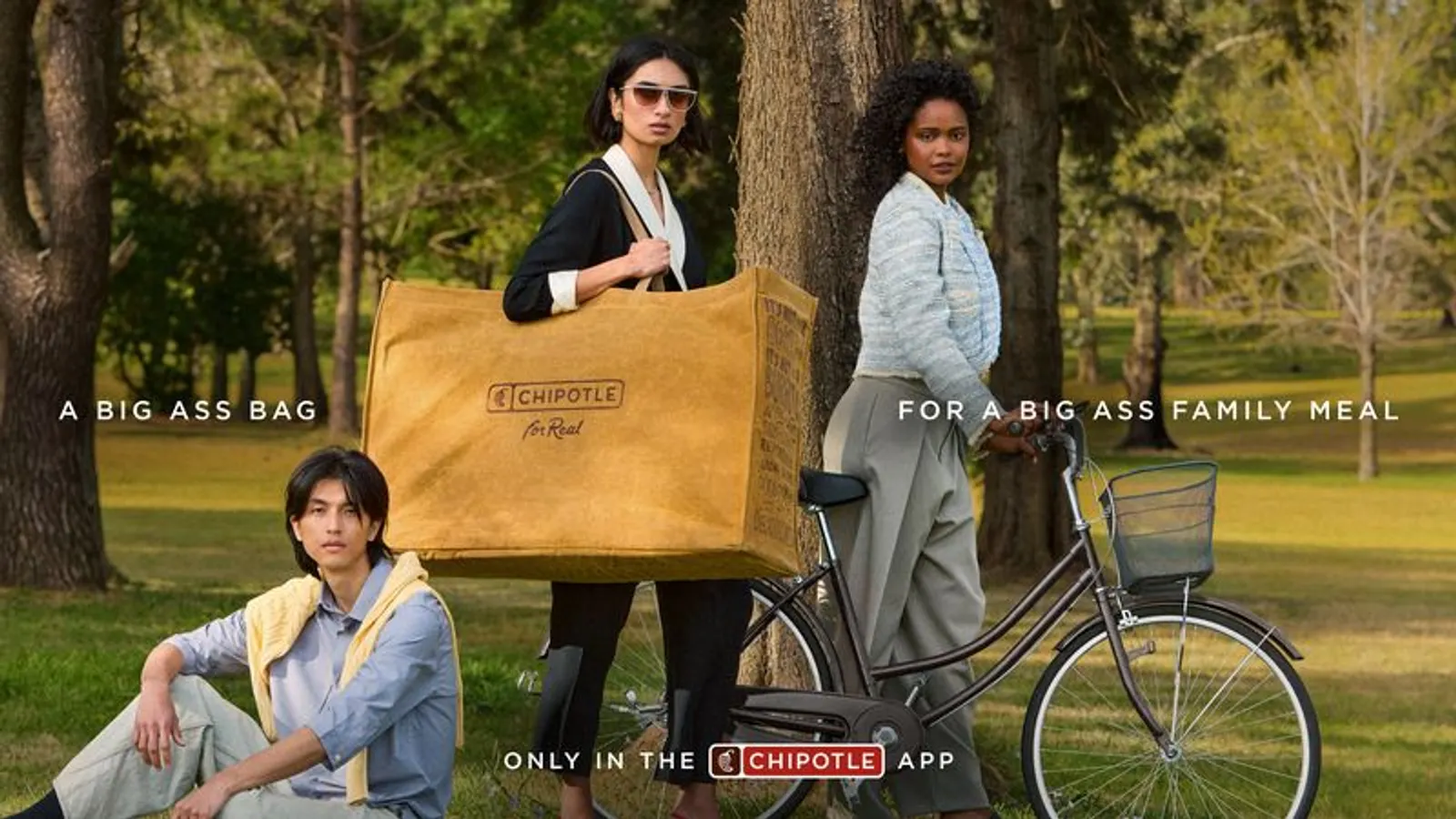
- Chipotle: The fast-casual chain recently debuted its "Big Ass Chipotle Bag," a massive, limited-edition take on its iconic takeout packaging, designed to lean into the oversized fashion trend currently sweeping social media.
- Unreal Snacks: In a high-profile collaboration with designer Rachel Comey, the chocolate brand unveiled the "Coco Bag"—a silver, Tyvek-constructed clutch that mirrors the aesthetic of an Unreal chocolate wrapper, designed to debut during Comey’s Spring/Summer ’27 runway show.
- Betty Crocker: Moving beyond the kitchen, the brand released a trio of cake-slice handbags that integrated signature elements like the iconic red spoon as a zipper pull, sparking massive viral demand.
- Poppi and Cadbury: Both have entered the fray, with Poppi partnering with designer Grace Ling to create a 3D-printed runway bag made from a beverage can, and Cadbury teaming up with Luar to produce a luxury insulated clutch designed specifically for carrying chocolate bars.
These items are not merely promotional freebies; they are treated as fashion products. They come with price tags, limited release windows, and the backing of established designers, effectively elevating the brand’s status from a utility provider to a lifestyle partner.
A Chronology of the Trend
The trajectory of this movement can be traced through a series of strategic drops that have occurred over the latter half of the year.
- Late August: Betty Crocker signals a new era of "lifestyle marketing" with the launch of its cake-slice handbags. The first drop on August 25 sold out in less than 24 hours.
- Early September: The secondary release of the Betty Crocker collection creates a digital bottleneck, with thousands of consumers queuing simultaneously, proving that the appetite for branded "merch" has evolved into a hunger for genuine, wearable art.
- New York Fashion Week (September): The trend hits a fever pitch. Unreal Snacks and Rachel Comey introduce the Coco Bag to the industry’s most discerning audience. This marked a deliberate departure from the standard "influencer activation" toward a true, high-fashion partnership.
- Ongoing: Other major players, including Poppi and Cadbury, utilize the buzz surrounding fashion season to launch their own accessories, establishing a new recurring event in the marketing calendar: the "Brand-Fashion Hybrid Drop."
Supporting Data: Why Now?
The push into fashion is not happening in a vacuum. It is supported by significant market growth and a shifting landscape in the "better-for-you" food sector.
The Economic Context
The global chocolate market is projected to reach $135.3 billion by 2026, up from $128.9 billion the previous year, according to Fortune Business Insights. As the market expands, competition for the "share of wallet" among millennial and Gen Z consumers intensifies. For brands like Unreal Snacks, which focuses on gluten-free, non-GMO, and preservative-free ingredients, the challenge is to differentiate themselves in a crowded, health-conscious landscape.
The Consumer Psychology
The core audience—particularly millennial women—prioritizes brands that curate a lifestyle. According to industry analysts, consumers are increasingly viewing their choice of snacks as a reflection of their personal values. When a brand like Unreal or Betty Crocker enters the fashion space, they are validating their consumers’ identities. They aren’t just selling chocolate or cake mix; they are selling a "tastemaker" status.
The success of these campaigns is measured by more than just units sold. It is tracked through "earned media value" and "brand sentiment." For Betty Crocker, the goal was to capitalize on nostalgia while ensuring the brand felt "fresh and relevant." For Unreal, the goal was to prove that a snack company could hold its own in a conversation about luxury and design.
Official Responses: Voices from the C-Suite
The leadership behind these campaigns emphasizes that the pivot to fashion is a deliberate attempt to be "seen" in new, meaningful ways.
Alison Whritenour, Chief Commercial Officer at Unreal Snacks, has been a vocal proponent of this strategy. Speaking on the collaboration with Rachel Comey, she noted, "Fitting into our consumers’ lifestyle is bigger than just the choices that they’re making for snacks. It’s about being a values-led choice."
Whritenour added that the decision to prioritize brand tie-ups is a way to attract first-time buyers who might otherwise overlook a traditional snack aisle display. "We view ourselves as being in ‘great taste,’ so looking for others around us who also have great taste was a big part of that strategy," she said.
Similarly, Fernando Machado, Chief Brand Officer at Chipotle, framed the "Big Ass Chipotle Bag" as a celebration of the brand’s culture. "We took one of the most recognizable parts of the Chipotle experience, gave it an outsized upgrade, and created something that’s impossible to miss. It’s fun, it’s ridiculous, and it’s exactly the kind of thing we knew our fans would want."
Sarah Peck, senior brand manager for Betty Crocker at General Mills, echoed these sentiments regarding the emotional connection to products. "We know people have a lot of nostalgia for Betty, and we want that nostalgia to feel fresh. The handbags turned recognizable details into a form of self-expression, giving fans a way to engage with the brand outside the kitchen."
Implications: The Future of Brand Engagement
The movement toward "runway-ready" consumer products suggests a long-term shift in how companies will approach brand loyalty in the 2020s.
1. The Death of the Traditional Ad
The traditional commercial is increasingly being replaced by the "viral drop." By creating a physical product that consumers want to be seen wearing, brands are essentially turning their customers into walking advertisements. This is far more effective than a banner ad, as it confers social capital upon the wearer.
2. Luxury as a Marketing Tool
While a $425 price point (as seen with the Unreal Coco Bag) may seem steep for a snack-related item, it serves a secondary purpose: it signals prestige. By attaching a designer label, the snack brand gains a "halo effect" of luxury. This doesn’t just sell the bag; it elevates the perception of the snacks themselves.
3. The "Curation Economy"
Brands are no longer just competing with their direct rivals; they are competing for time, attention, and shelf space in the consumer’s personal life. A brand that successfully bridges the gap between a chocolate bar and a runway clutch has effectively moved from a "purchase" to a "lifestyle choice."
4. Sustainability and Values
Many of these partnerships, particularly those involving independent designers like Rachel Comey or Grace Ling, rely on the designer’s reputation for ethical production. By aligning with these figures, food brands attempt to inherit some of that equity, framing their own products as part of a thoughtful, curated existence.
Conclusion
As the lines between luxury, retail, and food continue to blur, the brands that win will be those that understand that their customers are more than just consumers—they are participants in a complex, aesthetic-driven culture. Whether through a giant takeout bag or a couture-inspired candy clutch, the message is clear: in the modern market, the most powerful way to reach a consumer’s heart is to first find a place in their wardrobe. As these brands continue to push the boundaries of the unexpected, the only thing we can expect is that the next big thing in fashion might just be waiting in the pantry.